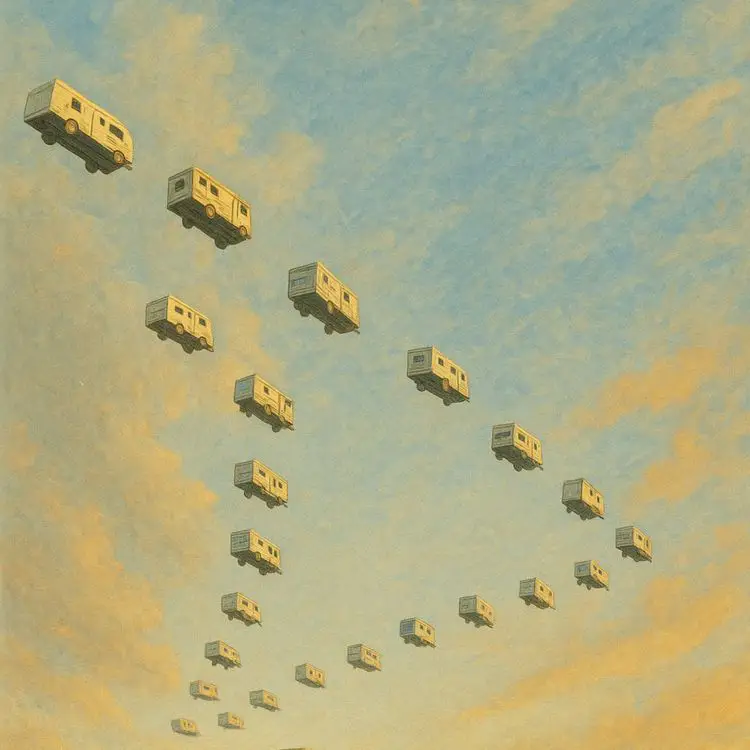
Each fall, thousands of RVers answer a silent call: head south, escape the freeze, chase the sun. This seasonal RV migration—also called the snowbird route—turns what could be a stressful long-distance drive into a rich, life-affirming odyssey. But it takes more than simply picking a direction and turning the key. Route planning, ideal stopovers, pacing rest days, and timing everything just right can transform your migration into the kind of journey you’ll remember forever.
If you’re curious about how to prepare for RV winter camping this guide takes things one step further — showing how to follow the warmth through carefully mapped routes across America.
In this blog, we’ll map a compelling “snowbird style” migration path from the Midwest down toward the Southwest and Southeast, spotlight must-see stops, and balance travel days with downtime. Along the way, we’ll answer top-searched questions like “RV winter migration route,” “snowbird RV route winter camping,” and “winter RV travel path.” Whether you’re a veteran snowbird or planning your first winter escape, you’ll get actionable insight to own your route.
Planning Your Midwest → Southwest / Southeast Migration
Choosing Your General Corridor
From the Midwest, you typically have two broad southern corridors to aim for:
- Southwest route — Head toward Arizona, New Mexico, and Southern California.
- Southeast route — Aim for Florida, Georgia, Alabama, or the Gulf Coast.
Which you choose depends on your climate preference (dry desert vs. humid coast), your sightseeing priorities, and your comfort with longer desert stretches.
Why two options matter:
- The Southwest path gives you wide open spaces, dramatic landscapes, and fewer crowded RV parks.
- The Southeast route gives you coastline, milder winter weather, and more frequent civilization (and campgrounds).
You can even combine elements: start toward the desert, then swing east through Texas or Louisiana, depending on how the season and your mood evolve.

Sample Itinerary: Midwest → Southwest
Here’s a sample pacing for a migration from, say, Michigan or Wisconsin headed toward southern Arizona:
| Leg | Target Destination | Approx. Days | Highlights / Why Stop |
| Leg 1 | St. Louis, MO | 1–2 days | Midpoint break after leaving Midwest; good services and rest. |
| Leg 2 | Tulsa or OKC, OK | 1 day | Stretch your legs, refuel, check your RV systems. |
| Leg 3 | Amarillo, TX | 1 day | Gateway to the High Plains; can rest or adjust for weather. |
| Leg 4 | Santa Fe, NM | 1 day | A scenic detour into the mountains before descent. |
| Leg 5 | Albuquerque / Socorro, NM | 1 day | Great mix of desert and cultural stops. |
| Leg 6 | Tucson, AZ | 1 day | Your winter base — warm, desert surroundings, full services. |
Once in Arizona, many snowbirds settle near Phoenix, Tucson, or Yuma, or continue west into southern California.

Sample Itinerary: Midwest → Southeast
If you prefer the Gulf / Atlantic approach, here’s a paced route:
- Leave Midwest toward Louisville, KY or Nashville, TN as a first break.
- Continue toward Chattanooga, TN or Atlanta, GA.
- From Atlanta, drive into Florida along I-75 (west side) or I-95 (east side), stopping in cities like Gainesville, Ocala, or somewhere near Tampa.
- Alternatively, head into Alabama / Mississippi coast and follow the Gulf shoreline into Florida (Pensacola → Destin → Panama City).
This route gives you more options to pause, resupply, and enjoy coastal stops.
Must-See Stopovers That Enrich the Route
Don’t just endure the journey—embrace it. Here are some standout places worth lingering for:
- Santa Fe, New Mexico — Rich arts, history, and a cooler elevation contrast before full desert stretch.
- Petrified Forest & Painted Desert (AZ) — Awe-inspiring landscapes as you cross northeastern Arizona.
- White Sands, NM — A surreal desert dune experience.
- Big Bend National Park, TX — Remote, dramatic, and rewarding if you have optional days.
- Gulf Coast towns (AL / MS / FL panhandle) — For the Southeastern route, towns like Gulf Shores, Mobile, or Apalachicola offer beautiful beachfront stops with lower crowds.
- Ocala / Gainesville, FL — Mix of springs, forests, quiet hidden gems off the beaten path.
These stops not only break up long drives but give you rejuvenation, photo ops, and turning points in your mindset—from endless miles to meaningful moments.

Link to Interactive Snowbird RV Migration Google Route Map CLICK HERE
Balancing Travel Days vs. Rest Days
One of the keys to a stress-free migration is pacing. Push too fast, and you’ll arrive tired; go too slow, and winter will overtake you.
Travel-Day Strategy
- Aim for 200–300 miles per travel day (roughly 4–6 hours on the road, depending on terrain).
- Start early to avoid afternoon fatigue.
- Use navigation tools (weather radar, elevation data) to avoid late-day storms or mountain snows.
Rest-Day Strategy
- Rest every 2–3 travel days with a full pause (one or two nights in one campground).
- Use these days to check over your rig (tires, fluids, seals), run errands, explore local attractions, or just relax.
- Don’t overschedule rest stops with too many side trips; you’ll wear out.
Buffer & Flex Days
- Always build in 2–3 buffer days for delays (weather, mechanicals, illnesses).
- Don’t push the final legs too hard—leave wiggle room so arrival is celebratory, not exhausting.
FAQ: Winter RV Migration & Snowbird Routing
What is the ideal “RV winter migration route”?
There’s no one “ideal” route — it depends on your origin, your destination climate preference, and your time flexibility. But a strong SEO-friendly way to think of it is: plan a “snowbird RV route” that gradually lowers elevation and avoids northern mountain passes as winter deepens.
How do I choose between the Southwest and Southeast snowbird routes?
Consider winter weather (desert is dry, coastal can be humid and wet), services availability, preferred scenery (mountains, desert, coast), and your timeline. Many travelers lean Southwest for drier roads and fewer storms.
When should I leave my northern location?
Most seasoned snowbirds depart between late October and early December. Leaving early avoids cold fronts; leaving too late risks snow or ice. Some split into two waves: one pre-Thanksgiving, one early January.
Can I camp as I travel, or do I need seasonal sites booked ahead?
You’ll want a hybrid approach: reserve for popular winter hubs weeks (even months) ahead, but allow flexibility for en route camping (state parks, private campgrounds). But note: winter campgrounds fill fast, especially in Florida/Arizona during peak.
What about weather risks en route?
- Watch for early snow or ice in mountain passes before crossing elevation.
- Be flexible—if a cold front descends, delay or change your route.
- Carry spare tires, good road traction knowledge, and up-to-date forecasts.
Story Break: Why This Route Made Sense for Us
Last fall, we left from our home in central Michigan in early November. On day two, an unexpected frost threatened our departure, so we paused an extra day, got confident in tire pressure and antifreeze systems, then rolled out toward St. Louis. At Amarillo, we lingered two nights instead of one—partly to rest, partly to explore a local state park we hadn’t known. That buffer day proved crucial when heavy winds at night shook our rig.
From Santa Fe, we cut out a detour into Taos and stayed in a quieter valley campground. We later discovered a delay from an ice storm in Colorado had closed a mountain pass we had initially planned. Because we weren’t rushed, we rerouted through lower elevations and still arrived in Tucson safely with energy to spare.
Because we paced ourselves, we arrived ready to enjoy winter sunlight, not crawl in exhausted. That balance of structure + flexibility was the secret sauce.
Final Thoughts
Seasonal RV migration, done thoughtfully, isn’t just travel—it’s a ritual of transition, from winter’s gloom to sunlit promise. The path from the Midwest to the Southwest or Southeast can be more than a line on a map—it can be a story. Choose your corridor (desert or coast), pepper your stopovers with wonder, pace your drive/rest balance, and always leave room for surprise.
If you enjoy reflecting on the journey, you might appreciate RV lifestyle reflections. You’ll not only arrive in warmth—you’ll arrive refreshed and ready to savor your winter chapter.
YOU MAY ALSO LIKE:



Leave a Reply