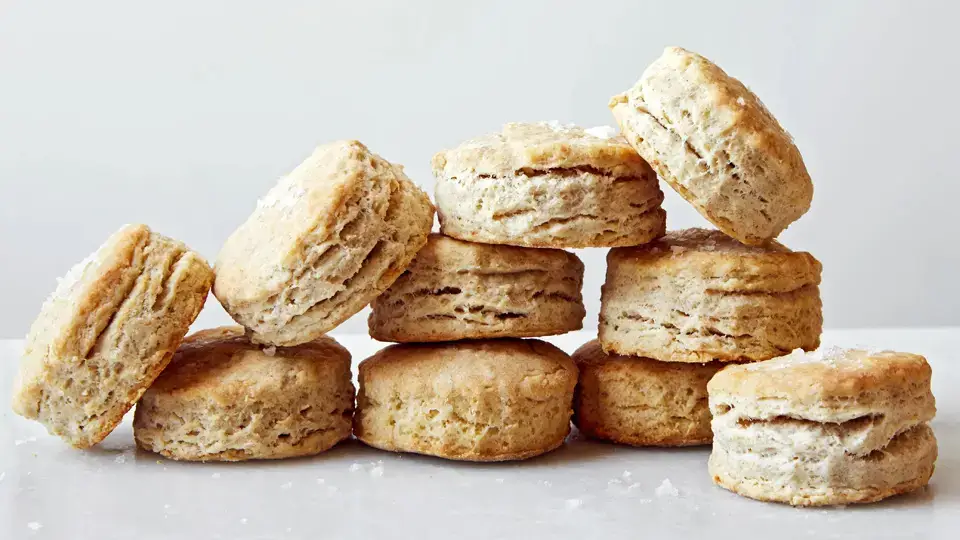
I grew up with the smell of freshly baked bread filling the air. My mom baked bread for the ten of us kids to save money, and let me tell you, there’s nothing better than the taste of biscuits and fresh bread at every meal. We also drank a lot of powdered milk, but I’ll spare you that story—trust me, it wasn’t as great as the bread!
Now, I know the doctor says to cut down on bread and everything else that brings me joy, but hey, there’s talk about sourdough being a little better for you. Some say it has health benefits, and that’s all I need to keep enjoying it!
 A Slice of History
Sourdough’s history goes way back—like, ancient Egypt around 1500 BC. Picture this: someone leaves out some dough, wild yeast from the air does its thing, and bam—we’ve got sourdough starter. People back then figured out that this natural fermentation process could make bread rise without commercial yeast.
Over the centuries, sourdough became the go-to way to leaven bread. Cultures all over the world developed their own styles, like San Francisco’s famous sourdough with its unique tang, thanks to the local wild yeast and bacteria.
During the California Gold Rush, prospectors even carried sourdough starters with them. It was a portable, reliable way to have fresh bread on the trail, and those miners—affectionately called “sourdoughs”—helped spread this baking method across the American West.
Fast forward to today, and sourdough is having a bit of a comeback. Bakers and home cooks love the rich flavor and the connection to this ancient tradition. Plus, it’s a fun way to experiment in the kitchen!
Starting Your Own Sourdough
The beauty of sourdough is that it only takes two ingredients to get going:
- Flour – Any type will do, but whole grain flours like whole wheat or rye help kickstart the process because they’re packed with natural wild yeast.
- Water – Make sure it’s filtered or non-chlorinated so you don’t kill off that precious yeast. Room temperature is best.
Mix these together, and over a few days, you’ll have a living culture that bubbles and grows. The process is simple, but it does take patience:
- On day one, mix one cup of flour with one cup of filtered water. Stir it well, cover with a clean towel, and let it sit.
- On day two, you’ll need to discard half and repeat the process—flour, water, stir, cover.
- Keep doing this for the next three days.
- By day six or seven, start feeding it every 12 hours, and by the end of the week, you should see bubbles and your starter doubling in size. That means it’s ready!
Now, you can bake all sorts of sourdough goodies like pancakes, muffins, and, of course, bread.
Keeping Your Starter Alive
Once you’ve got your sourdough starter going, it can last for years with a little maintenance.
– In the Fridge for Occasional Use: If you don’t bake every day, just pop it in the fridge and feed it once a week. If I want to make pancakes on Saturday, I take my starter out Friday morning, feed it, and by Saturday it’s ready to use. Easy!
– On the Counter for Daily Use: If you plan to bake every day (or nearly), keep it at room temperature and feed it daily. Just remember, you’ll need to keep baking to use up all that starter!
Sourdough Recipe Ideas
Here are a few tasty things you can make with your sourdough starter, beyond just bread:
- Sourdough Pancakes
Ingredients: Sourdough starter discard, flour, eggs, milk, sugar, baking soda, and a pinch of salt.
Instructions: Mix sourdough starter discard with other ingredients to create a batter. Let it rest for about 15-30 minutes, then cook on a hot griddle or skillet. Serve with syrup or your favorite toppings.
- Sourdough Pizza Crust
Ingredients: Active sourdough starter, flour, olive oil, salt, and water.
Instructions: Combine ingredients to form a dough, let it rise for a few hours, then roll it out into a pizza crust. Top with sauce, cheese, and your favorite toppings, then bake until crispy.
- Sourdough Waffles
Ingredients: Sourdough starter discard, flour, milk, eggs, sugar, butter, and baking powder.
Instructions: Mix the sourdough discard with the other ingredients, let it sit overnight if you prefer a tangier taste, and cook in a waffle iron for fluffy waffles.
- Sourdough Crackers
Ingredients: Sourdough starter discard, flour, olive oil, herbs, and salt.
Instructions: Mix sourdough starter with flour, oil, and seasonings to form a dough. Roll out thin, cut into cracker shapes, and bake until crispy.5. Sourdough Cinnamon Rolls
- Sourdough Cinnamon Rolls
Ingredients: Active sourdough starter, flour, milk, sugar, butter, cinnamon, and brown sugar for the filling.
Instructions: Prepare a dough using the sourdough starter, allow it to rise, then roll it out. Spread the cinnamon-sugar filling, roll up the dough, slice into rolls, and bake.
- Sourdough Pretzels
Ingredients: Active sourdough starter, flour, water, baking soda, salt. Instructions: Make a dough with the sourdough starter and flour, shape into pretzels, boil in water with baking soda, and bake until golden. Brush with butter and sprinkle with salt.
- Sourdough Biscuits (Saving the Best for Last!)
Ingredients: Active sourdough starter, flour, butter, baking powder, salt, and milk.
Instructions: Mix starter with flour and butter to create a dough, cut out biscuit shapes, and bake until golden brown.

With sourdough, nothing goes to waste. Use the discard for pancakes or crackers, and save the active starter for bread and biscuits. Happy baking!
CHECK OUT ADDITIONAL RECIPES



Leave a Reply