There’s a special kind of freedom in pulling your RV onto open land, shutting off the engine, and realizing you’ve just claimed a slice of wilderness for the night. But freedom can quickly turn into frustration—or even danger—if you overlook the deeper questions of boondocking. Too often, we get caught up in the excitement of finding a pretty spot without asking: Is this legal? Is this safe? Will we last here more than a day?
After years of off-grid camping, I’ve found that the best sites aren’t just the ones with the prettiest views. They’re the ones that balance beauty with legality, safety, and practicality. Let’s dig into some overlooked questions—and the tools that help answer them.

Legal Nuances: Public Land, Permits, and How to Be Sure
One of the biggest risks of boondocking is assuming open space equals free camping. It doesn’t. While much of Bureau of Land Management (BLM) and U.S. Forest Service land allows dispersed camping, there are boundaries, seasonal closures, and stay limits (often 14 days). Accidentally setting up on private land—or overstaying—can bring unwanted visits from law enforcement or landowners.
Here’s how to cut through the guesswork:
- The Boondocking app, Campendium, and iOverlander: These apps go beyond maps, offering user reviews that confirm whether an area is legal, safe, and even worth it. Think of them as your scouting tools.
- Local ranger stations: Old-school, yes—but nothing beats direct information. A quick stop or phone call can clarify which roads are open, what fire restrictions apply, and whether a spot is in a designated camping zone.
- Signs and boundaries: Look for posted rules and property lines. If you’re unsure, don’t risk it—move on.
If you’re drawn to the Southwest, you’ll find some of the country’s most iconic boondocking opportunities:
- Mojave Desert (California/Nevada): Wide-open landscapes where you can tuck in among Joshua trees and volcanic rock. Many sites are within minutes of historic Route 66.
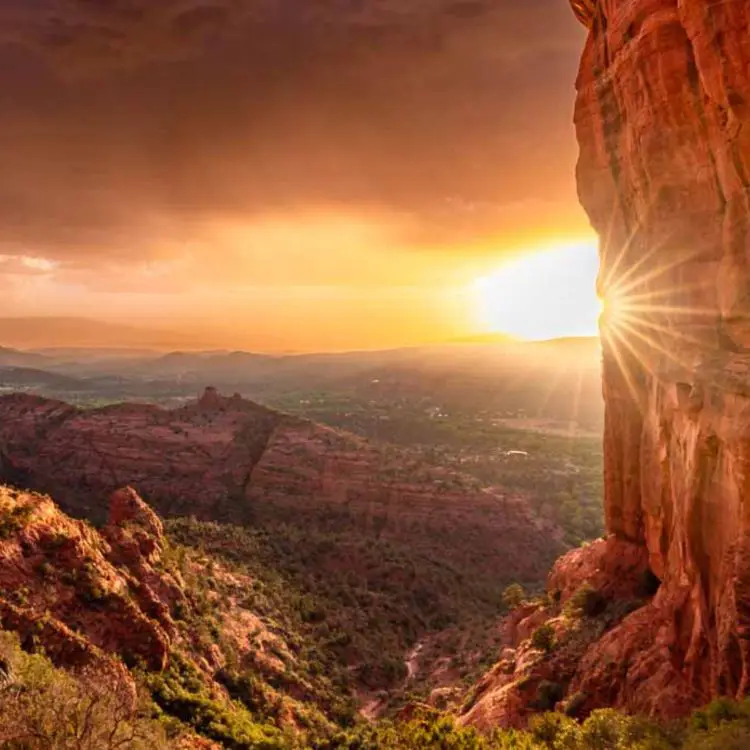
- Sedona, Arizona: Areas along Forest Road 525 are famous among boondockers for their red rock views—though they fill fast. Rangers at the Coconino National Forest office can confirm where camping is currently allowed.
- Quartzsite, Arizona: A winter mecca for RVers, offering both short-term free stays and long-term visitor areas (LTVAs) with minimal fees.
- Valley of the Gods (Utah): Remote red rock landscapes with fewer crowds than nearby Monument Valley. Roads can be rough, so check with BLM offices for conditions.
- Lake Mead National Recreation Area (Nevada/Arizona border): Dispersed camping is allowed in specific zones, blending desert camping with access to water recreation.
The thought-provoking question here isn’t just “Can I stay here?” but “Am I respecting the land and the people who manage it?”

Terrain: The Ground Beneath the Dream
That meadow at sunset might look perfect—but what happens when it rains? Slope, drainage, and soil conditions matter as much as the view. A tilted rig will strain your fridge and water tanks. A soft patch of dirt can turn into quicksand for your tires.
Before settling in, I walk the ground. I check slope with a bubble level and scan for water channels where rain might flow. Apps and GPS tools can’t replace a few careful steps around the site. Even experienced RVers have been stuck because they trusted appearances instead of terrain.
Ask yourself: Will this spot still be safe tomorrow morning if conditions change?

Water and Tank Logistics: The Invisible Clock
You don’t measure time off-grid in days—you measure it in gallons. Fresh water runs out, and grey/black tanks fill faster than you’d expect. For many, that’s what really ends a stay, not the scenery.
Here’s what helps:
- Track your usage honestly. Apps like Tank Hero can monitor tank levels, but even a simple logbook works.
- Carry collapsible jugs. A 5-gallon jug might extend your stay by a couple of days.
- Know your exit plan. Campendium and iOverlander list nearby dump stations and water fills—plan those before you park.
The hidden question here is: How many days of independence do I really have before my tanks force me back to civilization?
Cell Signal: Connectivity vs. Isolation
We all crave disconnection, but safety often depends on a single bar of cell service. Emergencies, weather alerts, even work obligations demand at least minimal connectivity.
I’ve stood in meadows where my phone showed no bars at all, only to find service by walking 200 feet up a slope. Tools like Coverage? or OpenSignal can help predict signal strength, but I always test before committing. And if a spot has zero coverage? I ask myself: Am I comfortable being completely cut off here?
A signal booster can make the difference between isolation and peace of mind.
Safety and Wildlife: The Unseen Variables
Off-grid living means sharing the land with wildlife and sometimes other people. Bears may be the headline threat in some regions, but even raccoons can wreak havoc on your food supply if you’re careless. The greater risk may be human curiosity—campers wandering too close or strangers stopping by.
Preparation is everything:
- Store food in airtight bins.
- Carry a reliable first-aid kit and basic tools.
- Keep your gut instincts sharp—if a site feels unsafe, move on.
The deeper reflection is this: Am I prepared to handle a surprise here—whether from nature, weather, or people?
Final Thoughts
Choosing a boondocking site isn’t just about finding beauty—it’s about asking smarter questions. Am I legal here? Will the ground hold up if it rains? Do I have enough water to last? Can I call for help if needed? Am I prepared for the unexpected?
With the right tools—apps like Boondocking, Campendium, iOverlander, and old-fashioned ranger stations—you can move beyond guesswork. The best spots aren’t just remote—they’re responsible, sustainable, and chosen with intention.
Boondocking isn’t simply about being free. It’s about being free and smart enough to stay safe and respectful while you’re out there.
YOU MAY ALSO LIKE:
Fall Camping Adventures Before Winterizing


Leave a Reply