
Discover the Truth About Full-Time RV Living, Remote Work, Costs, Pets, and More
If you’ve ever thought about buying an RV and traveling the country, chances are someone has tried to talk you out of it.
“You can’t really live in an RV.”
“That’s only for retirees.”
“It costs too much.”
“I could never do that with a dog.”
After more than 50 years of camping and countless miles traveling across North America, I’ve heard nearly every misconception imaginable. The funny thing is that most of these myths come from people who’ve never spent much time RVing.
Is RV living perfect? Of course not. Like owning a home, it comes with responsibilities, maintenance, and occasional surprises. But many of the beliefs that discourage people from trying the RV lifestyle simply aren’t true.
Let’s separate fact from fiction and take a realistic look at what life on the road is actually like.

Myth #1: You Can’t Live Full-Time in an RV
This is probably the biggest misconception of them all.
Thousands of families, retirees, young professionals, military veterans, digital nomads, and seasonal workers call an RV home every single day. For many, it’s not about “roughing it.” It’s about trading a stationary address for the freedom to decide where tomorrow begins.
Some people travel every week.
Others stay at one campground for months at a time.
Many split their year between favorite destinations and follow comfortable weather throughout the seasons.
Full-time RV living isn’t about constantly driving—it’s about choosing where you want to live.
Reality: Full-time RV living is completely possible with proper planning, budgeting, and a willingness to adapt.

Myth #2: RVing Is Only for Retirees
There was a time when campgrounds were filled mostly with retirees.
Today, that’s changed dramatically.
Walk through almost any campground and you’ll find:
- Young families homeschooling on the road
- Remote workers taking Zoom meetings from scenic campsites
- Weekend adventurers escaping city life
- Military families
- Couples exploring before retirement
- Solo travelers chasing bucket-list destinations
The ability to work remotely has opened the RV lifestyle to an entirely new generation.
Age has become one of the least important factors in deciding to travel.
Reality: RVing is for anyone with a sense of adventure.
Myth #3: You Can’t Bring Pets
Tell that to the thousands of campground dogs you’ll meet every weekend.
One of the greatest advantages of RV travel is bringing your four-legged family members with you.
Instead of paying boarding fees or leaving pets behind, they become part of every adventure.
Many campgrounds now offer:
- Dog parks
- Pet walking trails
- Pet washing stations
- Nearby hiking trails
- Pet-friendly beaches
Our little travel companion, Cash, loves campground life just as much as we do. Watching him explore a new campground is often part of the fun.
The key is being a responsible pet owner by cleaning up after your pet, respecting leash rules, and making sure your animal is comfortable during travel.
Reality: RV living can be one of the best lifestyles for pets.

Myth #4: You Can’t Work While Traveling
This myth disappeared the moment reliable mobile internet became widely available.
Today’s RVers routinely work from:
- Luxury fifth-wheel RVs
- Travel trailers
- Class A motorhomes
- State parks
- National forest campgrounds
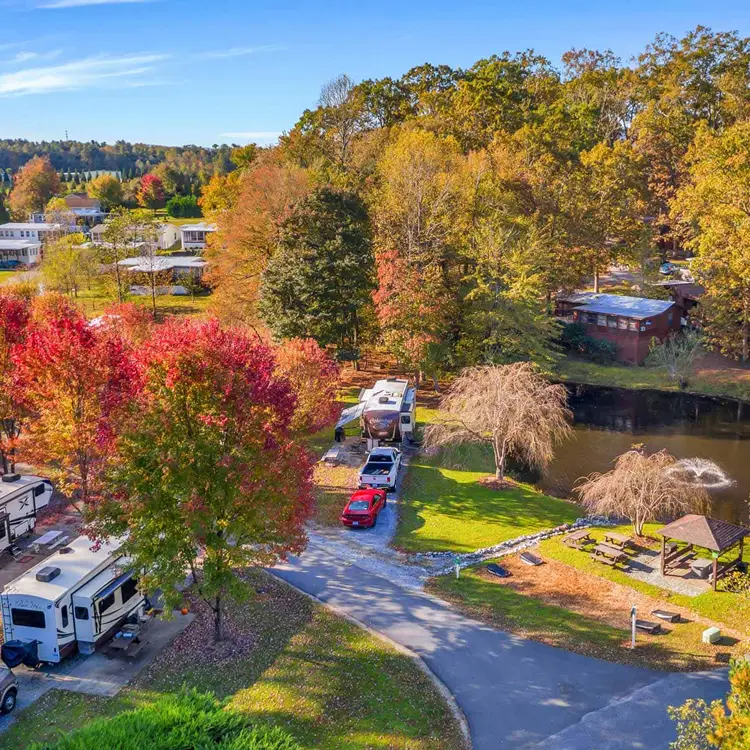
- Private RV resorts
Modern technology has made remote work easier than ever.
Many travelers combine cellular hotspots, Starlink satellite internet, campground Wi-Fi, and cellular boosters to stay connected nearly everywhere they travel.
Whether you’re:
- Self-employed
- Working remotely
- Running an online business
- Freelancing
- Creating content
- Managing investments
Your office can travel with you.
Reality: If your career allows remote work, there’s a good chance it can travel wherever your RV goes.

Myth #5: Campgrounds Are Always Packed
Summer weekends? Absolutely—they can be busy.
But that’s only part of the picture.
Some of our favorite camping experiences happened:
- During spring
- In late fall
- Mid-week
- At county parks
- National forests
- Small family-owned campgrounds
Being flexible makes a tremendous difference.
Traveling one week earlier, arriving on a Tuesday instead of Friday, or exploring lesser-known destinations often rewards you with peaceful campsites and beautiful scenery without the crowds.
Reality: Timing matters more than popularity.
Myth #6: You Need a Special Driver’s License
This surprises many first-time RV shoppers.
In most states, a regular driver’s license is sufficient for many travel trailers, fifth wheels, and motorhomes.
However, regulations vary by state and by the weight of your RV.
Some larger motorhomes or heavy fifth-wheel combinations may require additional licensing or endorsements depending on where you live.
Regardless of legal requirements, every new RV owner should invest time practicing:
- Backing
- Turning
- Braking
- Parking
- Hitching and unhitching
- Highway driving
Confidence behind the wheel comes from experience—not simply owning an RV.
Reality: Most RV owners never need a commercial driver’s license, but it’s important to understand your state’s regulations.
Myth #7: RV Living Is Always Cheap
This myth deserves some honesty.
RV living can save money—but it isn’t automatically inexpensive.
Your costs depend on choices like:
- Campground selection
- Fuel prices
- Travel frequency
- RV size
- Maintenance habits
- Dining preferences
- Insurance
Some travelers spend less than they did owning a traditional home.
Others spend considerably more because they’re constantly exploring new destinations.
One thing I’ve learned over the years is that preventative maintenance almost always costs less than emergency repairs.
Taking care of your RV protects both your investment and your travel budget.
Reality: RV living is flexible. Your spending habits determine your costs.
Myth #8: RVs Can Be Stored Anywhere
An RV represents a significant investment.
Leaving it parked on wet grass for months, beneath overhanging tree branches, or exposed to harsh weather year-round can shorten its lifespan.
Whenever possible, choose storage that offers:
- Gravel or concrete surfaces
- Good drainage
- Security
- Covered protection
- Easy access
- Room for routine inspections
If you’re storing during winter, don’t forget proper winterization, battery maintenance, tire care, and regular inspections throughout the off-season.
A little preparation today can prevent expensive repairs later.
Reality: Proper storage protects your RV and preserves its value.
Final Thoughts
Every lifestyle has its share of myths, and RV living is no exception.
Yes, there will be maintenance days.
You’ll occasionally deal with unexpected weather, changing travel plans, or campground reservations that don’t go as planned.
But you’ll also wake up beside mountain lakes, watch unforgettable sunsets, meet wonderful people from every walk of life, and create memories that simply can’t be found by staying home.
If you’ve been putting off RV ownership because of something you’ve heard, don’t let outdated misconceptions make your decision for you.
Talk to experienced RV owners.
Visit campgrounds.
Rent an RV for a weekend.
Experience it firsthand.
You might discover that the lifestyle you’ve been dreaming about is far more attainable—and enjoyable—than you ever imagined.
Safe travels, and we’ll see you around the next campground.
YOU MAY ALSO LIKE:
Simple Tips for a Pleasant Journey
Campgrounds vs. Luxury RV Parks
Know BEFORE Purchasing a Fifth-Wheel RV



Leave a Reply