I don’t know about you, but when winter finally loosens its grip and I can see more than just the top edge of my driveway again, my energy comes back fast. If my knees still cooperated the way they used to, I might even try a handspring or two. Warmer weather means one thing in our house: camping season is within reach.
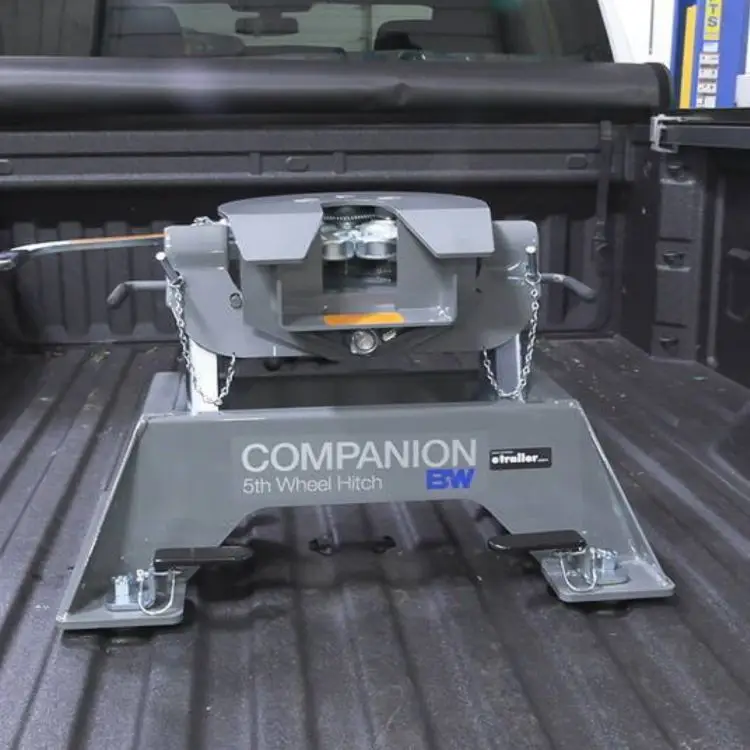
As soon as the temperatures consistently climb above sixty degrees, I start eyeing the fifth wheel and mentally lining up projects. I always hope to knock them all out before our first trip of the year—sometimes I do, sometimes I don’t—but one task always lands at the top of the list. Fifth-wheel hitch maintenance.
It’s not glamorous. It doesn’t photograph well for social media. But it is one of the most important things you can do to protect your truck, your trailer, and your peace of mind. A few minutes of attention now can prevent expensive damage, frustrating hookups, or a white-knuckle towing experience later.

Why Fifth-Wheel Hitch Maintenance Matters More Than You Think
Your fifth-wheel hitch quietly does one of the hardest jobs on your entire rig. It carries thousands of pounds, absorbs constant movement, and keeps your trailer securely connected through acceleration, braking, tight turns, and rough pavement. Yet it’s also one of the easiest components to ignore—right up until something doesn’t feel right.
Maybe you notice a little extra clunking when you start or stop. The hitch doesn’t latch quite as smoothly as it did last season. You hear more noise during slow turns in a campground. Or maybe nothing feels obviously wrong, but a small voice in the back of your mind says, I should probably check that before we hit the road.
That instinct is worth listening to. Most fifth-wheel hitch problems don’t appear suddenly. They develop gradually through friction, dirt buildup, dry metal-to-metal contact, or hardware that slowly works itself loose. According to towing safety studies and RV service reports, connection and coupling issues remain a leading cause of trailer-related incidents, many of which could have been prevented with basic inspection and lubrication.
Understanding the Parts That Deserve Your Attention
You don’t need to be a mechanic to maintain a fifth-wheel hitch, but it helps to understand what you’re looking at. At its heart, hitch maintenance is about keeping moving parts moving smoothly and locking parts locking completely.
The hitch head, often called the top plate, supports the trailer’s weight and allows it to pivot as you drive. Because it’s constantly under load and motion, this surface must stay clean and properly lubricated. When it dries out or develops uneven wear, towing can feel jerky, noisy, or rough—especially during turns and braking.

The locking jaws are just as critical. These jaws wrap tightly around the king pin and are responsible for keeping your trailer attached to the truck. Dirt, rust, hardened grease, or misalignment can prevent full closure. Partial engagement is one of the most dangerous hitch conditions because it may look connected while still being unsafe.
The release handle and its safety pin or lock often get overlooked, yet they’re your final safeguard. The handle should move freely when disengaged and remain firmly secured once locked. A missing or damaged safety pin defeats the entire locking system.
If your hitch includes pivot points or bushings, these allow the head to articulate smoothly over uneven terrain. When neglected, they can bind or wear prematurely, transferring stress into the hitch structure and mounting system.
Slider hitches, common in short-bed trucks, deserve extra care. Their exposed rails and mechanisms collect road grime easily. Without cleaning and lubrication, sliders can bind, hesitate, or fail to move as designed when you need them most.
Finally, the mounting hardware—whether bed rails or a puck system—anchors everything to the truck. Even slight looseness here can translate into sloppy towing, increased noise, or dangerous movement under load.
Don’t Forget the Trailer Side of the Connection
While the hitch gets most of the attention, the trailer’s king pin and pin box are equally important. A worn king pin can cause poor jaw engagement, accelerated hitch wear, and inconsistent towing behavior. Pin box bolts should remain tight and show no signs of elongation, cracking, or shifting. This is where hitch and trailer work together, and neglect on either side affects both.
A Practical Maintenance Rhythm That Actually Works
Fifth-wheel hitch maintenance doesn’t have to feel overwhelming or time-consuming. The most effective approach is a rhythm that matches how often you tow, rather than a once-a-year scramble before a big trip.
Before each trip, a quick visual and functional check goes a long way. Taking a couple of minutes to confirm the jaws are fully closed, the handle is locked and pinned, and nothing looks out of place can catch problems before they leave your driveway. Pay attention to anything that looks new—fresh metal shine, odd wear marks, or missing hardware are all signals worth investigating.
As the season progresses, occasional deeper attention keeps everything operating smoothly. Wiping away dirty grease, refreshing lubrication where recommended by the manufacturer, and listening for changes in sound or movement can prevent small issues from becoming big ones. Many experienced RVers will tell you that the hitch often “talks” before it fails—you just have to listen.
Seasonal inspections allow you to spot long-term wear. This is when you look beyond the obvious surfaces, checking for hidden rust, uneven jaw wear, or mounting hardware that may have loosened over time. Verifying torque settings against manufacturer specifications is especially important after a winter of temperature swings.
Once a year, or before an extended travel season, it’s worth doing a full reset. Removing built-up grime, re-lubricating according to the hitch manual, and replacing worn components restores smooth operation and confidence. It’s far easier to address these things at home than on the shoulder of a highway.
Frequently Asked Questions RVers Search Before Hitting the Road
One of the most common questions is how often a fifth-wheel hitch needs lubrication. The answer depends on how much you tow and your hitch design, but light inspection before every trip and proper lubrication every few trips is a safe baseline for most RVers.
Another frequent concern is whether to use grease or a lube plate. Both can work well when used correctly. Grease provides excellent lubrication but requires cleanup and monitoring. Lube plates reduce mess but must be inspected for wear and replaced when necessary. Manufacturer recommendations should always guide your choice.
Many RVers also wonder what warning signs indicate hitch trouble. Increased clunking, difficulty latching or releasing, visible jaw wear, rust buildup, or rough movement are all signals that maintenance—or professional inspection—is overdue.

Final Thoughts
Fifth-wheel hitch maintenance may not be the most exciting spring project, but it’s one of the most rewarding. It protects your investment, improves towing comfort, and—most importantly—keeps you and everyone around you safer on the road.
As camping season approaches and the driveway finally clears, take a little time to give your hitch the attention it deserves. Those few quiet minutes spent inspecting, cleaning, and lubricating can make the difference between a smooth first trip of the year and one that starts with stress instead of smiles.
Camping memories should begin with anticipation, not anxiety—and a well-maintained hitch helps ensure that’s exactly how they start.
YOU MAY ALSO LIKE:
RV Maintenance Why We Gotta Do It



Leave a Reply