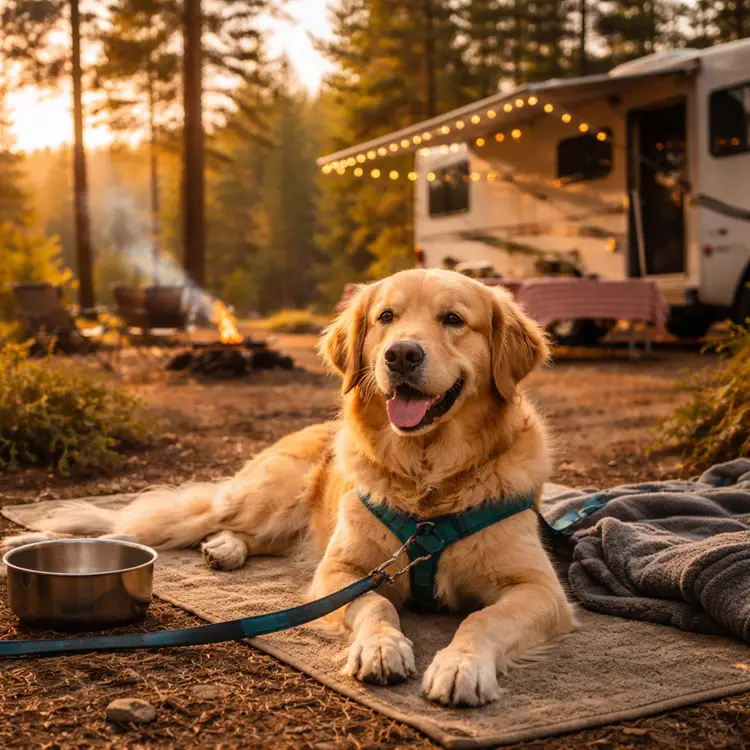
One of the greatest joys of the RV lifestyle is simple but powerful—you don’t have to leave family behind. For many of us, family includes four paws, a wagging tail, or a quiet companion curled up in the corner of the rig. Traveling with pets transforms an ordinary trip into a shared adventure, filled with new sights, smells, and routines that quickly become memories.
But RV travel with pets isn’t something you wing. A moving vehicle, unfamiliar campgrounds, changing climates, and long travel days all introduce challenges that pets don’t face at home. A little preparation goes a long way toward ensuring your furry companion stays healthy, calm, and comfortable on the road. Whether you’re a first-time RV pet traveler or a seasoned road warrior, these practical strategies will help you travel smarter—and safer—together.
Preparing Your Pet Before the Journey Begins
Before the engine turns over, preparation sets the tone for everything that follows. A pre-trip veterinary visit isn’t just a formality—it’s peace of mind. Ensuring vaccinations are current, prescriptions are filled, and preventative treatments for fleas, ticks, and mosquitoes are in place protects your pet in unfamiliar environments. Letting your veterinarian know your destination matters too, as regional risks like heartworm, Lyme disease, or venomous snakes can vary widely.
Just as important is helping your pet become familiar with the RV itself. An RV is not home—at least not at first. Start slow. Park the rig at home and invite your pet inside for short visits. Gradually extend those visits into longer stays and eventually overnight experiences. This gradual introduction reduces anxiety and helps your pet associate the RV with comfort rather than disruption.
Safe Travel Practices While on the Road
Travel day safety is non-negotiable. Pets should never roam freely while a vehicle is in motion. Sudden stops, sharp turns, or accidents can quickly become dangerous without proper restraint. A secured crate or kennel offers excellent protection, while pet seat belts or harness systems provide a safe alternative for animals that prefer visibility.
Routine matters more than you may realize. Feeding times, familiar food, and consistent hydration help maintain digestive health and emotional stability. Changing pet food mid-trip can lead to upset stomachs, so bringing enough of their regular diet is essential. Water deserves special attention as well—many campground water systems draw from wells with higher mineral content. Pets with sensitive stomachs may benefit from bottled or filtered water instead.
Potty breaks deserve planning, too. Travel disrupts normal schedules, and pets often need more frequent stops. While many rest areas offer designated pet zones, not all are well maintained. Disposable paw socks can add a layer of protection against viruses, fertilizers, or chemical residue and are easy to discard before continuing down the road.
Choosing Pet-Friendly Campgrounds and Campsites
Most campgrounds welcome pets, but policies vary more than many travelers expect. Breed restrictions, pet limits, leash rules, and quiet-hour enforcement differ from one location to another. A quick check of campground policies before booking avoids uncomfortable surprises at check-in.
Once parked, take time to inspect your campsite from your pet’s perspective. Look for spilled automotive fluids, sharp debris, or old food waste left behind by previous campers. Antifreeze, brake fluid, and transmission fluid are extremely toxic to animals—even small amounts can be fatal. Fire pits and trash areas often hide broken glass, batteries, or spoiled food that curious noses find irresistible.
Sanitation matters as well. Disinfecting dump station areas and water hookups with a diluted bleach solution helps reduce exposure to harmful bacteria. Be mindful of nearby generators, air-conditioning exhaust, and lawn treatments like fertilizer or weed killer that can irritate paws or cause illness if ingested.

Leashes, Electrical Safety, and Campground Awareness
Leash rules exist for a reason. Even the most obedient pets can react unpredictably to wildlife, unfamiliar dogs, or new surroundings. Keeping your pet leashed protects them and everyone around you—but leash material matters more than most RVers realize.

A condition known as “hot skin” can occur if an RV has faulty wiring or is connected to a compromised power pedestal. In these cases, metal surfaces can become electrically charged. Using a metal leash attached to the RV can put your pet at risk of serious shock. Rope or fabric leashes, attached to a non-metal anchor like a tree or post, are the safer choice.
Staying observant also means watching your surroundings. Nearby children, aggressive pets, or poorly placed exhaust outlets can impact your pet’s comfort and safety, especially on hot days when airflow matters most.
Health, First Aid, and Temperature Control
Every RV first aid kit should include supplies designed specifically for pets. Tick removal tools, styptic powder, bandaging materials, and any prescribed medications should be easy to access. In an emergency, having these items on hand can make a critical difference before veterinary care is available.
Temperature management is another top concern. Leaving a pet unattended in an RV is always a calculated risk. Even with air conditioning running, power failures can happen without warning. Ventilation is key—roof vents, cracked windows, and airflow paths allow heat to escape if systems fail. Remote temperature monitoring devices add another layer of protection, alerting you to unsafe conditions and, in some cases, allowing you to visually check in on your pet while away.
Frequently Asked Questions About Traveling With Pets
Many pet owners ask whether RV travel is stressful for animals. The answer depends largely on preparation. Pets thrive on routine and familiarity, and RVing can offer both when done thoughtfully. Another common concern involves national and state parks. While many parks welcome pets in campgrounds, most restrict them from hiking trails to protect wildlife and visitors alike. Always check regulations before planning outings.
Safety statistics underscore the importance of preparation. Veterinary organizations consistently report that restrained pets are significantly less likely to be injured during vehicle accidents, and heat-related incidents remain one of the leading causes of pet emergencies during travel—making ventilation and monitoring essential.
Final Thoughts
Traveling with pets is one of the most rewarding aspects of the RV lifestyle. It deepens the bond you already share and turns every destination into a shared experience rather than a temporary separation. With thoughtful planning, consistent routines, and a focus on safety, your RV becomes more than a vehicle—it becomes a true home on wheels for every member of the family.
Now that your furry companion is ready for the road, the only question left is simple: where will your next adventure take you together?
YOU MAY ALSO LIKE:
Open Roads App & Innovative Toll Solution
Diesel or Gas for Fifth-Wheel Towing




Leave a Reply