
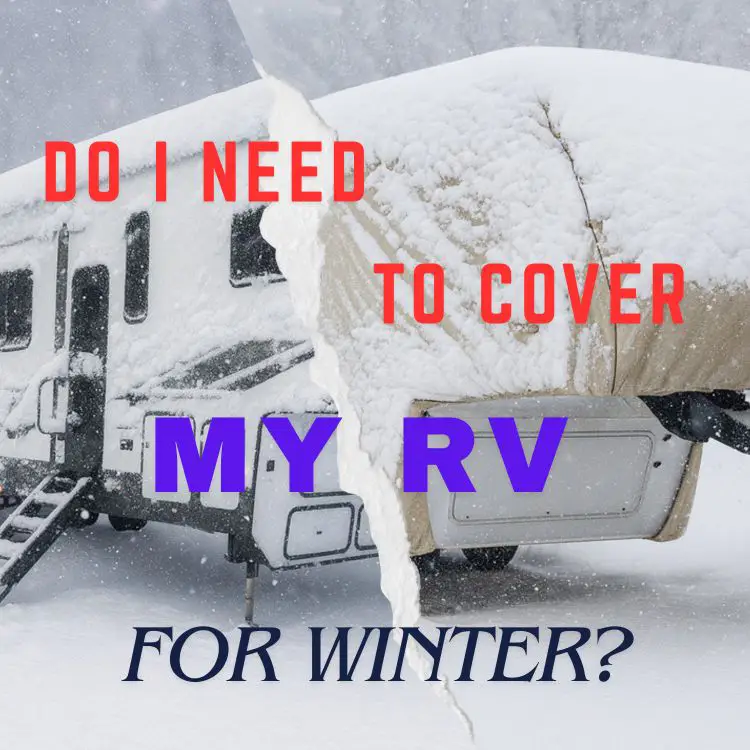
Do I Need to Cover My RV for Winter? What Midwest Campers Should Know
If you live anywhere in the Midwest, you already know how unforgiving winter can be. The freezing temperatures, heavy snow, biting winds, and sun-reflected ice can turn even the toughest recreational vehicle—whether a travel trailer, fifth wheel, or motorhome—into a vulnerable target. Every fall, RV owners begin asking the same urgent question: Do I really need to cover my RV for winter?
The short answer is: yes—most of the time. But as with every decision in RV life, the best choice depends on where you live, how you store your camper, and the level of protection you want for your investment.
In this guide, we’ll break down the real advantages and disadvantages of winter RV covers, the surprising truth about which covers actually work, and the price range you should expect when shopping. Whether you own a shiny new fifth wheel or a seasoned Class C, this article helps you make a confident, informed choice that protects your rig all winter long.

Do You Need to Cover Your RV in the Midwest Winter?
If you live in Michigan, Ohio, Indiana, Wisconsin, Illinois, or anywhere with harsh freeze-thaw cycles, consider a cover more of an insurance policy than an accessory.
Winter isn’t just cold—it’s destructive. Snow piles up on the roof. Ice forces its way under seals. UV rays still beat down even on cold days, drying out caulking and fading graphics. According to RVIA industry maintenance data, over 60% of winter damage claims trace back to exterior exposure—roof degradation, cracked sealant, and moisture intrusion.
A well-fitted cover can protect your RV from:
- Ice dams that form when snow melts and refreezes
- Moisture buildup that leads to mold, mildew, and soft spots
- UV fading on decals, paint, and trim
- Wind abrasion, especially when debris or branches are involved
- Bird droppings, sap, and grime that bond to gelcoat over months
In other words, covering your RV in the Midwest isn’t paranoia—it’s practical.

Are All RV Covers the Same? Absolutely Not.
This is where many RV owners get burned. A $99 generic cover might look tempting online, but once a January windstorm hits, it can shred like tissue paper.
RV covers differ dramatically in:
- Material quality (polypropylene vs. multi-layer woven fabrics)
- Durability (tear resistance and UV protection)
- Fit (custom-fit vs. “close enough”)
- Moisture management (vented designs vs. solid sheeting)
High-quality covers allow moisture to escape while blocking water from entering. Cheaper models trap moisture, creating the exact problem you were trying to avoid.
Industry testing shows that multi-layer breathable covers last 3–5 times longer and reduce interior condensation by more than 40%.
Simply put…
It’s not about whether you use a cover. It’s about whether you use the right cover.
Is One Brand Better Than Another? What to Look For
While brand loyalty varies, Midwest RV owners consistently return to a handful of options because they actually survive the season.
What sets the better covers apart isn’t a logo—it’s engineering designed for harsh climates:
- Reinforced corners to prevent tearing
- Multi-layer tops for snow load
- Breathable side panels
- Reliable tie-down systems to stop wind whip
- UV-stable fabrics that don’t degrade in one season
Brands known for building winter-ready designs often cost a little more—but that’s the point. A cover that lasts multiple seasons saves money long-term. What you want is longevity, not a temporary fix.
How Much Should You Spend on a Good RV Cover?
There’s a wide range, and price often correlates with performance.
For Midwest winter conditions, the typical breakdown looks like this:
- Entry-level covers ($120–$250):
Good for mild climates, but often short-lived in snow and wind. - Mid-grade covers ($250–$450):
Solid protection, better longevity, suitable for most travel trailers and smaller fifth wheels. - Premium covers ($450–$750):
Built for tough climates, best for larger fifth wheels and motorhomes, and often last several seasons.
Your RV is a major investment. Spending 1–2% of its value on winter protection is a smart, cost-effective move.
Advantages and Disadvantages of Using an RV Cover
Advantages
A high-quality cover can give you:
- Extended roof life — less cracking, drying, and damage
- Better decal and paint protection
- Reduced moisture intrusion — preventing expensive repairs
- Cleaner spring setup — no sap, stains, or grime buildup
- Peace of mind — priceless when winter storms hit
Here’s the big one: RV technicians report that covered rigs often show significantly fewer roof and seal problems during spring inspections.
Disadvantages
Covers aren’t perfect, and a thoughtful choice matters:
- Poor-quality covers can tear and flap in the wind.
- Cheap fabrics can trap moisture, leading to mold.
- Putting on a cover requires some time and effort, especially on taller rigs.
But when you match the right cover to your RV and climate, the advantages far outweigh the drawbacks.
So… Should You Cover Your RV This Winter?
If you’re in the Midwest, the evidence says yes. A durable, well-fitted cover gives your RV the protection it deserves from months of snow, ice, wind, and UV damage. Not all covers are created equal, and choosing the right one can prevent thousands of dollars in long-term repairs.
Your RV isn’t just a vehicle—it’s your getaway, your home away from home, your investment in adventure. Protecting it through the winter ensures it’s ready for every mile waiting in the spring.
Final Thoughts
Winter may be long and demanding, but your RV doesn’t have to suffer because of it. Covering your travel trailer, fifth wheel, or motorhome is one of the most effective ways to defend against the Midwest’s harshest months. Think of it as giving your RV a warm winter coat—a little care now means fewer repairs and a smoother start to the next camping season.
Your next adventure deserves to begin with a rig that’s in great shape, protected, and ready to roll.
YOU MAY ALSO LIKE:
Uncover Tennessee’s Most Surprising, Fun, and Historic Secrets




Leave a Reply