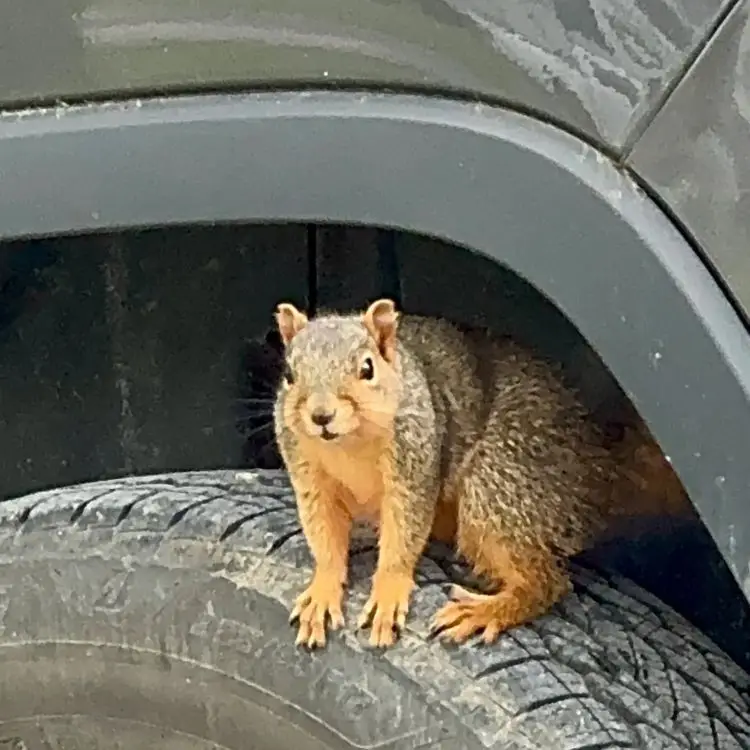
Winter has a way of revealing the tiniest weaknesses in an RV—especially when it comes to pests. As temperatures drop, mice, squirrels, spiders, and even stink bugs begin searching for warmth, food, and shelter. Unfortunately, a winterized RV checks all their boxes. If you’ve ever walked into your camper in spring only to find shredded insulation, chewed wiring, or that unmistakable “something lived here” smell, you’re not alone. Studies show rodents cause millions of dollars in RV and automotive damage each year, largely from gnawed wiring and nesting in cozy corners.

But here’s the good news: with the right winter defense, you can protect your RV before pests ever make it inside. This guide walks you through how critters think, why winter increases their activity, and the strategies RV owners swear by to keep their rigs safe, clean, and ready for spring adventures.
Winter pest defense starts long before the first frost. The moment temperatures drop, RVs become magnets for wildlife drawn to warmth, stored food, and safe hiding spots. Understanding why pests enter your RV is the first step to stopping them. Mice, for example, can squeeze through openings as small as a pencil. Squirrels can leap onto roofs and chew through soft seals. Insects can ride in on firewood, outdoor gear, or hidden crevices. When you recognize how determined they are to survive the cold, your approach becomes more strategic—and far more effective.
One of the most crucial winter defense tactics is sealing entry points before storage. Around 80% of rodent intrusions in RVs start at the underbelly, where plumbing gaps, electrical lines, and slide-out openings create convenient access routes. Even a small, overlooked gap can act as a front door for an entire winter nest. Before storing your rig, crawl beneath it with a flashlight and look for daylight pouring through seams. Using expanding foam, steel wool, or pest-resistant mesh creates a barrier that mice simply can’t chew through. This one step alone significantly reduces the likelihood of a winter infestation.
Inside the RV, cleanliness plays a powerful role in pest prevention. Rodents and insects are incredibly scent-driven, and any lingering crumbs, grease droplets, or sugary residue can attract unwanted visitors. Wiping down every surface, vacuuming deep corners, and ensuring the refrigerator and pantry are completely empty removes the scents pests rely on. Most RV owners don’t realize that even sealed food, if left in the RV, can attract mice with their acute sense of smell. Eliminating food sources takes away their biggest incentive to enter.
Once your RV is sealed and cleaned, the next defense layer involves deterrents. Strongly scented repellents—like peppermint oil, dryer sheets, and cedar—are widely talked about, but research shows their effectiveness varies. While some pests may avoid them initially, others grow accustomed. The best strategy is combining natural scents with mechanical or physical barriers. Ultrasonic emitters add an additional layer of sound-based deterrence, though results vary depending on the RV layout. Meanwhile, old-fashioned snap traps or enclosed bait stations (placed outside the RV, never inside) remain some of the most reliable solutions for stopping rodents before they reach your rig.
Don’t overlook the RV’s exterior surroundings. If your camper sits near stored firewood, tall grass, shed foundations, or piles of leaves, you’re creating a pest-friendly environment right outside your RV. Rodents use debris as highways straight to your undercarriage. Clearing the area, using gravel pads, or placing your RV on hard, open surfaces removes the shelter pests rely on for approaching unseen. Winter weather means pests spend more time searching for warmth, so reducing their access routes is critical.
Finally, consider the power of routine winter checks. Even when your RV is stored and winterized, a quick January or February visit can prevent a small problem from becoming a costly repair. Look for droppings, nesting material, chewed paper, or gnawed insulation. The sooner you spot activity, the easier it is to intervene before major damage occurs. Many RV owners who skip these mid-winter checks discover in spring that pests enjoyed months of uninterrupted access.
Final Thoughts
Winter doesn’t have to mean surrendering your RV to pests. With a thoughtful strategy—seal, clean, deter, and check—you create a strong defense that keeps critters out and protects your RV investment. Your camper should be a place filled with memories, not the winter home of mice or insects. The more intentional you are today, the more confident you’ll feel when you open the door in spring and find everything exactly the way you left it: clean, safe, and ready for the next adventure.
YOU MAY ALSO LIKE:




Leave a Reply