
For years, my bride and I dreamed about retiring in an RV. That dream played a major role in purchasing our 2024 Forest River Rogue Armored 373BS13 Toy Hauler. We envisioned a future where our backyard constantly changed, sunsets replaced schedules, and every highway led to another adventure.
Like many couples approaching retirement, reality brought a few questions with it.
Should we sell our home?
What if we eventually need a traditional house again?
Our children and grandchildren live in several different states, making it nearly impossible to choose one location to call home. We’re also blessed to spend time caring for my bride’s mother, who currently lives in a memory care facility. Those responsibilities remind us that retirement isn’t simply about traveling—it’s about balancing freedom with family.
Even with those considerations, the dream of full-time RV living continues to grow stronger every year.
If you’ve ever wondered whether retiring in an RV is right for you, here are some of the reasons it remains at the top of our retirement bucket list.

Why More Retirees Are Choosing RV Living
Retirement today looks very different than it did a generation ago.
Many retirees aren’t looking for a rocking chair on the front porch—they’re looking for mountain overlooks, coastal highways, small-town festivals, and the freedom to decide where tomorrow begins.
An RV provides something few homes can offer:

Freedom without sacrificing comfort.
Instead of vacationing for a few weeks each year, your entire retirement becomes the adventure.
A Simpler Lifestyle Can Be Surprisingly Rewarding
One of the biggest surprises many future RVers discover is that downsizing often feels liberating rather than limiting.
When you move into an RV, every item earns its place.
You quickly realize you don’t need three garages, an attic full of forgotten boxes, or closets packed with clothes you haven’t worn in years.
Less space often means:
- Lower utility costs
- Less cleaning
- Fewer home repairs
- Reduced property maintenance
- More time enjoying life instead of maintaining it
Living with less doesn’t necessarily mean living with less happiness.
In many cases, it’s exactly the opposite.
Financial Planning Makes All the Difference
Can retiring in an RV save money?
It certainly can—but it depends on how you travel.
Slow travelers who stay several weeks or months in one campground generally spend much less than people constantly driving across the country.
Before retirement, consider meeting with a financial advisor and ask questions like:
- Should we buy new or used?
- Should we finance before retirement?
- How much should we budget for maintenance?
- Do we need a tow vehicle or dinghy vehicle?
- How much should we reserve for unexpected repairs?
One recommendation I often give new RVers is this:
Purchase your RV before retirement if possible.
Spend a year or two learning how everything works while you still have a regular income. You’ll discover what you enjoy, what you’d change, and you’ll avoid trying to learn an entirely new lifestyle after retirement begins.

Your Backyard Can Change Every Week
One of the greatest gifts retirement provides is time.
An RV allows you to spend that time seeing places you’ve dreamed about for decades.
Imagine waking up beside:
- A peaceful mountain lake
- The Atlantic shoreline
- A desert sunrise
- A quiet forest campground
- A scenic river valley
You’re no longer rushing through destinations because vacation ends next Monday.
If you fall in love with an area, simply stay another week—or another month.
That kind of flexibility is difficult to put a price on.

Family Isn’t Left Behind
One concern many people have is leaving family.
Ironically, we’ve found the opposite can often be true.
Since our children and grandchildren live in different parts of the country, an RV gives us the opportunity to spend meaningful time with each of them without asking anyone to travel long distances.
Instead of squeezing visits into long weekends, we can stay nearby for days or even weeks.
Best of all, when everyone heads home for the evening, we still have our own comfortable space waiting for us.
That little bit of independence makes family visits enjoyable for everyone.
Volunteering Can Add Purpose to Retirement
Many retired RVers discover another unexpected benefit of life on the road—serving others.
Organizations offer volunteer opportunities across the country where retirees help with community projects, disaster recovery, church construction, campground hosting, and public lands.
Some volunteer programs even provide free campsites while you’re serving.
The savings are certainly appreciated.
The friendships and sense of purpose are even better.
Many couples say those volunteer experiences become some of their favorite retirement memories.

Every Day Brings Something New
One lesson we’ve learned during more than 50 years of camping is that no two trips are ever the same.
Sometimes the best memories weren’t part of the original plan.
Maybe it’s a scenic overlook that wasn’t on the map.
A local diner someone recommended.
A hidden waterfall.
A historic town festival.
Or simply meeting another couple around a campground campfire who become lifelong friends.
Retiring in an RV leaves room for those unexpected moments.
Sometimes the detour becomes the destination.

It’s Not Always Easy
As wonderful as RV retirement can be, it’s important to be realistic.
There will be repairs.
Weather delays.
Flat tires.
Reservation challenges.
Medical appointments.
Unexpected expenses.
Living in an RV isn’t permanent vacation—it’s simply everyday life with changing scenery.
Those who embrace flexibility generally enjoy the lifestyle the most.
As I’ve shared before, one of the best pieces of advice I can offer any RVer is:
Expect the unexpected—and smile anyway.

Is Retiring in an RV Right for You?
Only you can answer that question.
For us, the answer continues to lean toward yes.
We haven’t sold our house yet because life still includes responsibilities that deserve our attention. Family always comes first, and we’re thankful we have the flexibility to help when needed.
But every trip we take reminds us why this dream has stayed alive for so many years.
Retiring in an RV isn’t about escaping life.
It’s about choosing a life filled with freedom, simplicity, discovery, and experiences that matter more than possessions.
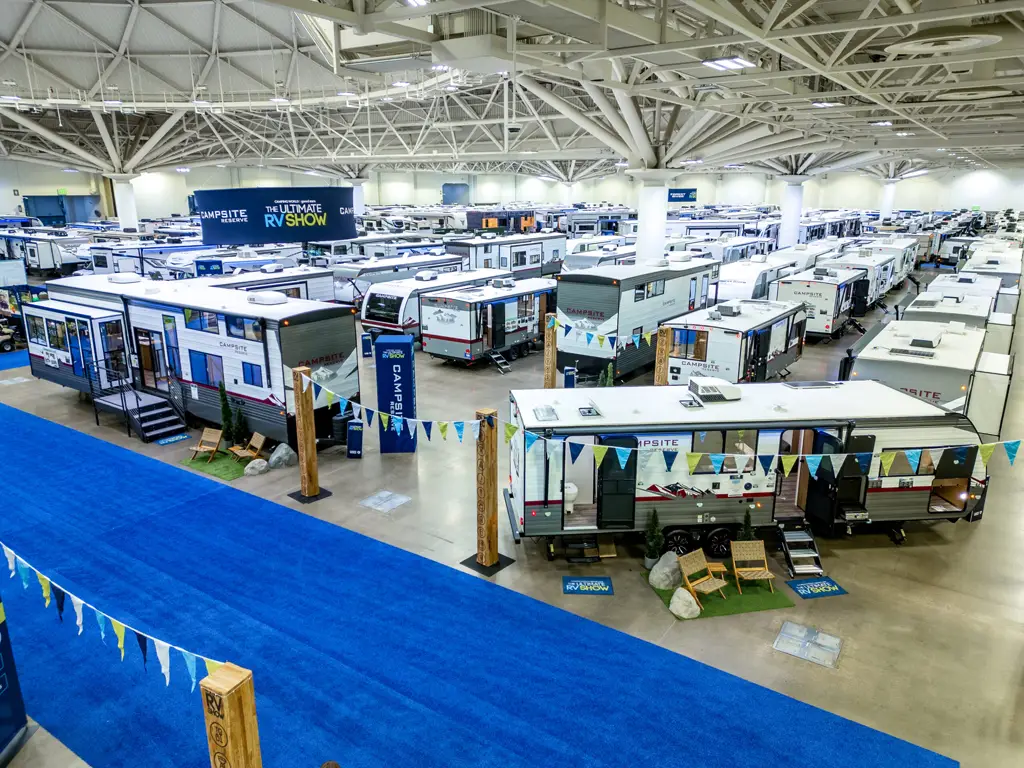
If you’ve been thinking about taking that leap, start planning now. Visit RV shows. Rent different styles of RVs. Talk with experienced full-time RVers. Build a financial plan that gives you confidence.
You don’t have to leave tomorrow.
But someday, you may find yourself watching the sunset from a campsite you’ve never seen before, smiling because you finally decided to chase the dream.
And that just might be one of the best retirement decisions you’ll ever make.

Final Thoughts
Retirement doesn’t have to follow someone else’s blueprint. Whether you travel full-time, seasonally, or simply take longer RV trips throughout the year, the lifestyle offers something many retirees are searching for—freedom to spend your time the way you choose.
For us, the road still calls. While family responsibilities keep us anchored for now, every mile we’ve traveled has confirmed that retirement isn’t defined by a house. It’s defined by the memories you create, the people you meet, and the places that leave a lasting impression.
If RV retirement has been sitting quietly on your bucket list, perhaps it’s time to begin turning that dream into a plan.
After all, the open road has a way of rewarding those willing to take the first step.
Happy travels,
The Cooper Shortcut Camping Journey Trio 😊 PlusOne!
YOU MAY ALSO LIKE:
Should You Keep Your RV Plugged In All the Time?
Teaching Leave No Trace to Kids



Leave a Reply