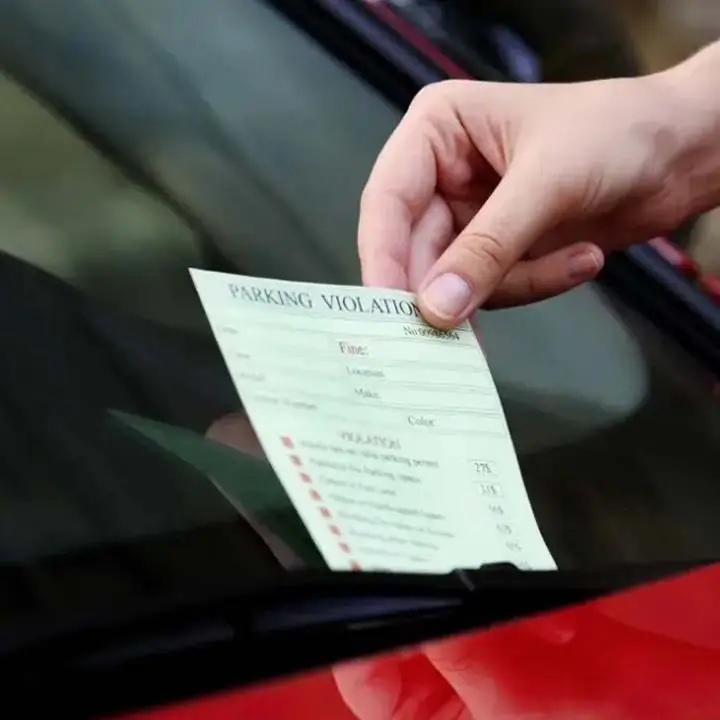
Few things are more frustrating than ending a long day of travel only to discover that the place you planned to park your RV doesn’t allow overnight stays. Whether you’re traveling in a motorhome, fifth-wheel, travel trailer, or camper van, understanding RV parking laws can save you from expensive fines, unexpected towing fees, and unnecessary stress.
The good news is that legal RV parking options are more plentiful than many travelers realize. The key is knowing where you can park, where you can’t, and how to verify local regulations before settling in for the night.
Why RV Parking Rules Matter
Unlike passenger vehicles, RVs are often subject to additional parking restrictions because of their size, weight, and occupancy. Rules vary by city, county, state, and property owner, making it important to research each destination before arriving.
Just because you see another RV parked somewhere doesn’t automatically mean it’s legal. Local ordinances change frequently, and enforcement can vary widely from one community to the next.
Places You Generally Cannot Park Your RV
Before you pull over for the evening, be aware of these commonly restricted locations.
Residential Streets
Many cities prohibit RV parking on residential streets, especially overnight. Some communities allow short-term parking for loading and unloading, while others ban RVs altogether.
Even when no signs are posted, local ordinances may still apply. Parking in front of homes can also lead to complaints from residents, which often triggers enforcement.

Public Streets During Restricted Hours
Many municipalities restrict parking during certain hours for snow removal, street cleaning, emergency access, or traffic safety.
Always check posted signs carefully. A seemingly harmless overnight stay could result in a citation or tow by morning.
Highway Rest Areas with Restrictions
Many states allow travelers to stop and rest at highway rest areas. However, some states limit the length of stay, while others prohibit overnight camping activities such as extending slide-outs, deploying awnings, or setting up chairs.
Remember that a rest area is intended for resting, not camping.
Private Property Without Permission
Parking on private land without the owner’s consent is considered trespassing in many jurisdictions.
This includes vacant lots, business parking areas, undeveloped property, and commercial sites. Always obtain permission before staying overnight.
Campgrounds Without Paying
Attempting to occupy a campsite without registering or paying is never worth the risk. Most campgrounds actively monitor occupancy and can issue fines or involve local authorities.
If campground fees are outside your budget, look for free public camping alternatives instead.
Places You Can Often Park Your RV Legally
Fortunately, RV travelers have numerous legal options available.

Established Campgrounds and RV Parks
The most reliable option remains private RV parks and public campgrounds. These locations provide designated sites and often include amenities such as:
- Full hookups
- Water and electric service
- Dump stations
- Wi-Fi
- Laundry facilities
- Showers
While they may cost more than free camping options, they offer convenience and peace of mind.
Bureau of Land Management (BLM) Land
Across much of the western United States, BLM land offers excellent opportunities for dispersed camping and boondocking.
Many locations allow RV camping for up to 14 consecutive days at no charge, though local restrictions may vary.

National Forests
Many national forests permit dispersed camping outside developed campgrounds.
These areas can provide beautiful scenery and solitude while offering a legal alternative to crowded campgrounds. Always verify local forest regulations before setting up camp.
Harvest Hosts and Similar Programs
Membership programs connect RV travelers with farms, wineries, breweries, golf courses, and other unique destinations willing to host overnight guests.
These experiences often provide memorable stops while ensuring you have permission to stay.
Designated Overnight Parking Locations
Some businesses welcome RV travelers for a single-night stay. However, policies vary significantly by location.
Always ask management for permission rather than assuming overnight parking is allowed simply because other RVs are present.
Helpful Resources for Finding Legal RV Parking
Modern technology has made finding legal overnight parking easier than ever.
Popular tools include:
- AllStays
- Campendium
- iOverlander
- RV LIFE Campgrounds
- The Dyrt
- Harvest Hosts
These resources provide user reviews, parking restrictions, amenities, and local insights that can help you avoid surprises.
What Happens If You Park Illegally?
Many RV owners underestimate the consequences of violating local parking regulations.
Fines
Depending on the location, citations can range from modest penalties to several hundred dollars.
Towing Fees
Having an RV towed can quickly become expensive. Large motorhomes and fifth-wheels require specialized towing equipment, resulting in significantly higher recovery fees than standard vehicles.
Travel Delays
A parking violation can disrupt carefully planned travel schedules and reservations, creating headaches that are entirely avoidable.
Possible Legal Issues
Repeated violations or trespassing incidents can escalate into more serious legal problems in some jurisdictions.
Tips for Staying Legal and Stress-Free
A few simple habits can help you avoid most RV parking issues:
- Research local regulations before arriving.
- Check city and county ordinances.
- Look for posted parking signs.
- Obtain permission when using private property.
- Use trusted RV camping apps.
- Follow Leave No Trace principles.
- Have a backup overnight location planned.
A little preparation can save hours of frustration later.
Final Thoughts
One of the greatest freedoms of RV travel is the ability to choose where you’ll spend the night. However, that freedom comes with the responsibility of understanding local parking regulations and respecting property rights.
Before settling into that perfect spot with a beautiful view, take a few minutes to verify that overnight RV parking is permitted. Doing so can save you from costly fines, unexpected towing, and unnecessary stress.
The best RV adventures happen when you’re parked legally, comfortably, and confidently.
Where is the most unique legal place you’ve ever parked your RV overnight? Share your experience in the comments and help fellow travelers discover new destinations.
YOU MAY ALSO LIKE:



Leave a Reply