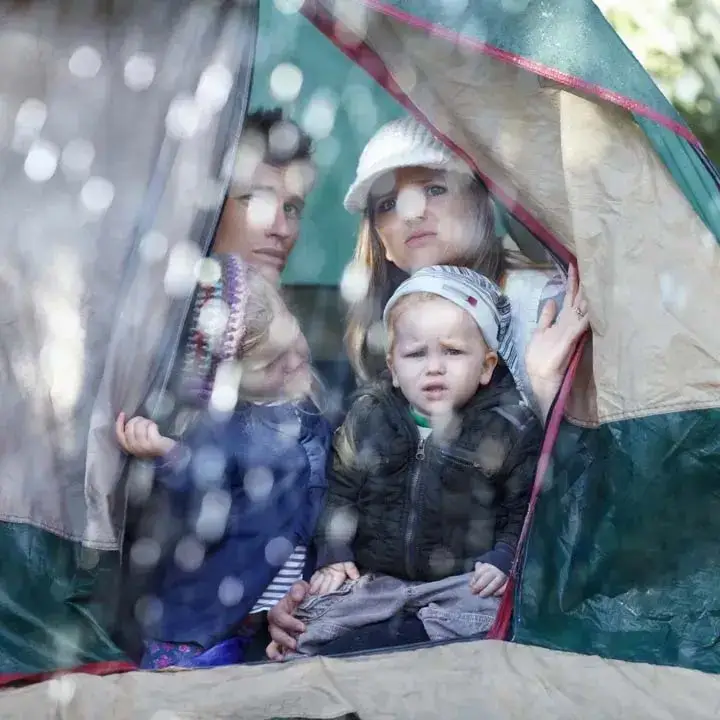
For many RV owners, camping season ends when the temperatures drop and the first snowflakes begin to fall. For others, winter is simply another chapter in the adventure.
There is something magical about waking up to a snow-covered campground, sipping hot coffee while watching snowflakes drift past your window, and enjoying the peace that comes with camping during the quietest season of the year. However, winter RV camping requires a different level of preparation than a summer weekend getaway.
Cold temperatures, snow accumulation, frozen water lines, and increased propane consumption can quickly turn an enjoyable trip into an uncomfortable experience if you’re not prepared.
Whether you’re planning a winter camping getaway in Michigan or considering full-time RV living through the colder months, these winter RV camping tips will help keep you safe, comfortable, and ready for whatever Mother Nature delivers.

Why Winter RV Camping Is Worth the Effort
While winter camping comes with additional challenges, it also offers unique rewards.
Campgrounds are often quieter, scenic destinations are less crowded, and many outdoor activities such as snowshoeing, skiing, ice fishing, and winter hiking become available. Some of the most beautiful campground views you’ll ever experience occur after a fresh snowfall.
The key is preparation.
A little planning before the trip can prevent most winter camping problems before they start.
Keep Snow Off Your RV Roof
One of the biggest concerns during winter camping is snow accumulation on your RV roof.
Unlike residential roofs that are designed with steep pitches, most RV roofs are relatively flat. Heavy snow buildup adds significant weight and can stress seals, vents, skylights, and roof components.
Excess snow can also lead to ice dams that trap moisture and eventually create leaks.
Tips for Managing Snow Accumulation:
- Inspect roof seals before winter arrives.
- Remove snow regularly using a long-handled soft bristle brush.
- Avoid metal shovels that can damage roofing materials.
- Park near natural windbreaks when possible.
- Check slide toppers frequently for snow buildup.
- Remove ice accumulation around vents and air conditioners.
A few minutes of maintenance after a snowfall can prevent costly repairs later.
Protect Your Water System from Freezing
Nothing ends a winter camping trip faster than frozen water lines.
When temperatures fall below freezing, exposed hoses and connections become vulnerable. Preventing frozen water lines should be one of your top priorities.
Essential Winter Water System Equipment:
- Heated drinking water hose
- Insulated campground faucet cover
- Sewer hose support ladder
- Heat tape for exposed plumbing
- RV skirting
- Tank heating pads (if equipped)
RV skirting is particularly valuable because it creates a warmer air pocket beneath your RV and helps protect tanks, pipes, and underbelly components from extreme cold.
Many experienced winter campers also leave cabinet doors open near plumbing lines to allow warm interior air to circulate around pipes.

Monitor Propane Usage Closely
Your furnace becomes the hardest-working appliance in your RV during winter.
When temperatures remain below freezing, the furnace may cycle frequently throughout the day and night. This can cause propane levels to drop much faster than many campers expect.
Ways to Stretch Your Propane Supply:
- Carry an extra propane cylinder.
- Use electric space heaters when campground electricity is included.
- Install vent cushions to reduce heat loss.
- Use thermal curtains or reflective window insulation.
- Add weather stripping around entry doors.
- Wear layered clothing inside the RV.
Never rely solely on one heat source during winter camping. Redundancy can be a lifesaver if equipment fails unexpectedly.
Prepare for Snow and Ice Around Your Campsite
The area outside your RV can become hazardous quickly during winter weather.
Ice-covered steps, slippery sidewalks, and snow-packed campsites create safety risks for everyone.
Winter Safety Items Every RV Should Carry:
- Snow shovel
- Ice scraper
- Rock salt or pet-safe ice melt
- Traction mats
- Tire chains (where appropriate)
- Flashlights and extra batteries
- Portable jump starter
Clearing snow and treating icy surfaces immediately helps prevent slips and falls while making daily campground activities much easier.
Keep an Eye on Battery Performance
Cold weather affects battery performance more than many RV owners realize.
As temperatures drop, battery efficiency decreases. If you’re boondocking or relying heavily on battery power, you may notice shorter runtimes than during warmer months.
Battery Care Tips:
- Keep batteries fully charged.
- Inspect connections regularly.
- Use battery blankets when appropriate.
- Monitor voltage levels frequently.
- Consider portable solar panels for supplemental charging.
A healthy battery system becomes even more important when winter weather limits your ability to access services.
Research Before You Travel
Winter conditions can change quickly.
Before departing, take time to research your route, destination, and nearby services.
Know Before You Go:
- Local weather forecasts
- Road conditions
- Propane refill locations
- Emergency repair facilities
- Nearby medical facilities
- Campground winter operating policies
Cell service can be unreliable in remote areas, especially during storms. Download maps ahead of time and keep emergency contact information readily available.
The more information you gather before leaving home, the fewer surprises you’ll encounter on the road.
Pack for Comfort, Not Just Survival
While staying warm is important, enjoying your camping experience matters too.
Winter camping creates opportunities to slow down and appreciate simple pleasures.
Bring:
- Extra blankets
- Hot chocolate supplies
- Favorite books
- Card games
- Warm slippers
- Cozy camp chairs
- Portable fire pit (where permitted)
Some of the best camping memories are created while watching snow fall from the comfort of a warm RV.

Final Thoughts
Winter RV camping isn’t for everyone, but those who embrace it often discover a side of camping that summer travelers never experience.
The key to successful cold-weather camping is preparation. Protect your water system, monitor propane supplies, keep snow off the roof, and carry the equipment needed to handle changing conditions.
With proper planning, you’ll spend less time worrying about the weather and more time enjoying snow-covered landscapes, peaceful campgrounds, and the unique beauty that winter brings to the RV lifestyle.
After all, camping season doesn’t have to end when the temperatures drop. Sometimes the best adventures begin when everyone else decides to stay home.
YOU MAY ALSO LIKE:



Leave a Reply