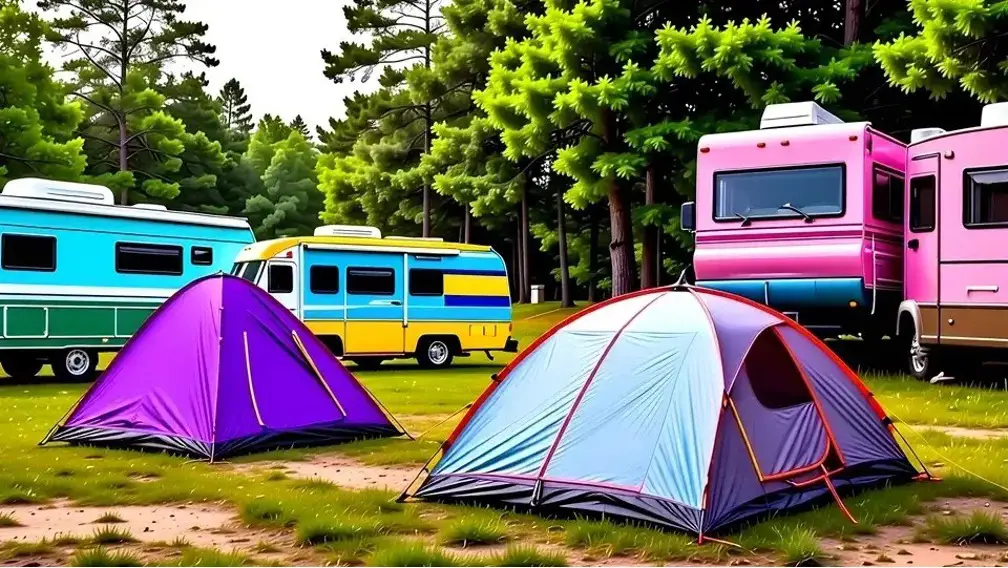
There’s something peaceful about crawling into bed after a full day of camping. The campfire has burned down to glowing embers, the stars are overhead, and the only sounds are crickets and an occasional owl in the distance. That’s my favorite part of the day.
As I lie in our king-size RV bed waiting for my bride, Vicky, to finish her nightly routine, I often think about how much our camping lifestyle has changed over the years. In every travel trailer, fifth wheel, and motorhome we’ve owned, we never once replaced the factory mattress—until now. Before we even took delivery of our current fifth wheel, we swapped out the original mattress for a firm one because we’ve learned that’s what gives us the best night’s sleep. We even have an adjustable bed, just like the one at home, which somehow makes sleeping at the campground even more relaxing.
One funny discovery? An RV king-size mattress is shorter than the king bed we sleep on at home. If you’re over six feet tall, you’ll notice the difference!
Thinking back, we’ve certainly come a long way. Our earliest camping trips were spent sleeping in canvas tents without floors. Every rock, root, and bump reminded us we were outdoors. Those experiences taught us plenty about sleeping comfortably while camping, and hopefully they’ll help you avoid a few sleepless nights of your own.
Why Good Sleep Matters When Camping
A poor night’s sleep has a way of affecting everything else. Hiking isn’t nearly as enjoyable when you’re exhausted. Scenic drives become long drives. Even that first cup of campground coffee can’t completely erase a restless night.
Whether you’re sleeping in a tent, travel trailer, fifth wheel, truck camper, or motorhome, getting quality rest should be part of your camping plan—not something left to chance.
After more than 50 years of camping, here are a few things we’ve learned.
Start With the Right Campsite
Your sleeping comfort begins before you ever unpack.
Whenever possible, choose a campsite that is:
- Fairly level
- Away from playgrounds and bathhouses
- Not directly beside campground roads
- Naturally shaded during hot weather
- Well-drained if rain is expected
Tent campers should also take a few minutes to clear away sticks, rocks, and pinecones before setting up. It takes very little time and makes a surprising difference later that night.
If you’re camping in an RV, don’t rush through leveling. Even being slightly off-level can leave you feeling like you’re sleeping uphill all night.
Don’t Ignore Your Mattress
We’ve learned this lesson firsthand.
Many RV manufacturers install mattresses that are “good enough” for a weekend, but not necessarily for weeks or months on the road.
If replacing the mattress isn’t in your budget, consider adding a quality memory foam topper. It’s one of the least expensive upgrades you can make for better sleep.
Tent campers should never underestimate a quality sleeping pad. Besides cushioning your back, insulated pads help prevent body heat from escaping into the ground.
The older we get, the more we appreciate good support.
Bring Your Favorite Pillow
This might sound simple, but it works.
There’s something comforting about using the same pillow you sleep on at home. Whenever possible, we bring ours along. It’s one less thing your body has to adjust to while you’re away.
Sometimes familiar comfort is worth making room for.
Dress for the Night, Not the Day
Campground temperatures change quickly.
That beautiful 80-degree afternoon can easily become a chilly 50-degree evening, especially in the mountains or near lakes.
Rather than relying on heavy pajamas, dress in comfortable layers.
Moisture-wicking clothing keeps you dry if temperatures fluctuate overnight, while lightweight fleece or wool adds warmth without making you feel bulky.
Even during summer, we usually keep an extra sweatshirt within reach.
Keep Fresh Air Moving
One of the nicest parts of camping is breathing fresh outdoor air.
Tent campers should open roof vents or windows whenever weather allows to reduce condensation and improve airflow.
RV owners can benefit from doing the same thing. We often crack open a roof vent and run a ceiling fan throughout the night. Even gentle airflow makes the bedroom feel cooler and helps prevent stale air from building up.
Portable fans are another inexpensive addition that can make sleeping much more comfortable.
Reduce Light and Noise
Campgrounds aren’t always as quiet as we’d like.
Someone inevitably arrives late.
Someone else leaves before sunrise.
Then there’s the neighbor who seems determined to slam every storage compartment on the RV.
Instead of hoping for perfect campground etiquette, come prepared.
Items we recommend include:
- Earplugs
- Sleep mask
- Small rechargeable fan
- White noise machine or smartphone app
- Blackout shades if your RV doesn’t already have them
You’ll sleep through far more campground activity than you might expect.
Create a Relaxing Bedtime Routine
Camping naturally encourages us to slow down.
After supper, instead of immediately heading inside, spend a little time unwinding.
Take an evening walk.
Sit around the campfire.
Read a chapter from a favorite book.
Enjoy a cup of herbal tea or hot chocolate.
Watch the stars for a few minutes before calling it a night.
Simple routines help tell your brain it’s time to relax.
Stay Dry
Nothing ruins sleep faster than damp bedding or wet clothing.
Tent campers should always carry:
- A quality rainfly
- Ground tarp
- Waterproof bags for extra clothing
- Dry socks reserved strictly for bedtime
RV owners should inspect roof seals, slide seals, windows, and storage compartments before every travel season to prevent unwanted surprises.
We also keep an extra blanket handy just in case temperatures drop lower than expected.
Feel Safe Before You Go to Bed
Peace of mind makes sleeping easier.
Before turning in, we always:
- Lock the RV doors.
- Put away food and scented items.
- Keep a flashlight beside the bed.
- Know where the nearest restroom is located.
If you’re camping in bear country, always follow local recommendations regarding food storage.
A few extra minutes before bedtime can save a lot of worry later.
If Sleep Doesn’t Come Easily
It happens.
Sometimes it’s the excitement of tomorrow’s adventure.
Sometimes it’s campground noise.
Sometimes your mind simply won’t slow down.
Rather than getting frustrated, try slowing your breathing or listening to the natural sounds outside. Crickets, frogs, rustling leaves, and gentle rain often provide better relaxation than any sleep app ever could.
Respect Quiet Hours
One of the easiest ways to improve everyone’s camping experience is simply being considerate.
Keep voices down.
Turn off bright exterior lights.
Avoid slamming doors.
If everyone follows campground quiet hours, everyone sleeps better.
Wake Up Slowly
One of our favorite parts of camping isn’t bedtime.
It’s the morning.
There’s no rush.
No commute.
Just fresh air, birds singing, and coffee slowly brewing outside under the awning.
Those peaceful mornings often become our favorite memories from the trip.
Bring a Little Piece of Home
Sometimes comfort comes from the smallest things.
A favorite blanket.
Your own pillow.
A comfortable pair of slippers.
Even your favorite coffee mug.
Those familiar touches can make your campsite feel surprisingly like home.
Final Thoughts
Looking back over more than five decades of camping, we’ve experienced just about every sleeping arrangement imaginable—from canvas tents without floors to today’s luxury fifth wheel with a king-size bed and adjustable mattress.
Honestly, every stage of the journey has been enjoyable.
The difference is that experience has taught us what really matters.
You don’t need the newest RV or the most expensive camping gear to sleep well. A comfortable mattress, a level campsite, good ventilation, and a simple evening routine often make a bigger difference than anything money can buy.
When you wake up well rested, everything else about camping becomes more enjoyable. You’ll have more energy for hiking, sightseeing, motorcycle rides, campfire conversations, and making memories with the people who matter most.
After all, the best camping adventures don’t begin when you arrive—they begin when you wake up refreshed and ready to enjoy another day outdoors.
What helps you get a great night’s sleep while camping? We’d love to hear your favorite tips and tricks in the comments below. Your idea might help another camper sleep a little better on their next adventure!
Happy travels,
The Cooper Shortcut Camping Journey Trio 😊 PlusOne!
YOU MAY ALSO LIKE:
Random RV Thought: Car Envy at Rest Area
Crucial Tip for New RVers Embrace the Unexpected
The Most Disliked Person in the Campground




Leave a Reply