
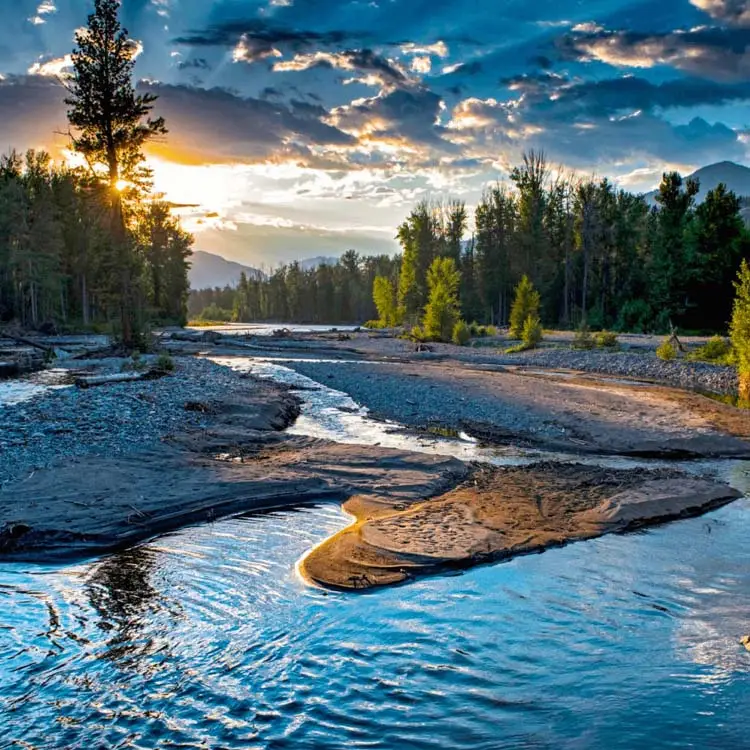
Nestled along the western slopes of Oregon’s majestic Cascade Mountains, Umpqua National Forest is one of those rare destinations that feels both wildly expansive and warmly inviting. Covering an impressive 983,239 acres across Douglas, Lane, and Jackson Counties, this breathtaking forest blends glacially carved peaks, lush old-growth forests, emerald rivers, and volcanic landscapes into a destination that calls to RV travelers, hikers, anglers, and nature lovers alike.
Whether you are planning a scenic RV journey, seeking peaceful dispersed camping, or craving waterfall-lined drives through dense evergreen corridors, Umpqua offers a powerful sense of adventure wrapped in Pacific Northwest serenity.

Why Visit Umpqua National Forest?
Imagine winding mountain roads where mist rises from deep valleys at sunrise, or sitting beside a crackling campfire beneath towering Douglas firs as stars slowly reveal themselves overhead. Umpqua National Forest is shaped by dramatic geologic forces — high Cascade glaciation, explosive volcanic activity, and rushing whitewater rivers — creating scenery that feels both ancient and alive.
Each year, more than 735,000 visitors arrive to experience its trails, rivers, wildlife, and scenic drives. With over 530 miles of trails, including sections of the legendary Pacific Crest Trail, the forest delivers a sense of scale and solitude that is increasingly rare in today’s crowded outdoor destinations.
Yet despite its vastness, Umpqua feels approachable. This is a place where first-time forest visitors can confidently explore while seasoned travelers discover hidden gems tucked along forest service roads or beside rushing streams.

Are There Campgrounds Nearby?
Yes — and they are part of what makes Umpqua National Forest so appealing to RV travelers and campers. The forest features around 40 developed campgrounds, many offering simple but comfortable amenities such as picnic tables, fire grates, and designated tent or trailer spaces.
However, travelers should plan ahead. Campgrounds around Diamond Lake and Lemolo Lake are especially popular during summer months, filling quickly due to their spectacular scenery and access to hiking, fishing, and boating opportunities. Reservations can often be made through Recreation.gov, but experienced travelers know it is wise to have a backup plan.
Unlike many private RV parks, forest campgrounds do not offer water, sewer, or electric hookups, which makes them ideal for those seeking a more authentic outdoor experience. For travelers who prefer full amenities, private campgrounds are located in nearby communities such as Roseburg or Glide.
One of Umpqua’s most appealing features is its allowance for dispersed camping, where visitors can venture down forest roads and establish temporary camps in scenic, undeveloped locations. This freedom brings responsibility. Campers must follow Leave No Trace principles, respect fire restrictions, and observe limits such as the 14-day stay maximum at a single site.

What Is There to Do While Visiting Umpqua National Forest?
Adventure in Umpqua unfolds naturally. You do not have to search for excitement — it finds you around every bend in the road.
Driving the Rogue-Umpqua National Scenic Byway is often considered a highlight. Stretching roughly 172 miles through dense forest and rugged river canyons, this unforgettable route parallels portions of the North Umpqua Wild and Scenic River, famous for its striking emerald waters and steelhead trout habitat.
Hiking enthusiasts can explore wilderness areas like Mount Thielsen Wilderness, where alpine ecosystems dominate dramatic peaks and panoramic viewpoints reward those willing to climb. Anglers are drawn to rivers and lakes teeming with fish species including salmon, steelhead, and trout.
Wildlife viewing is equally rewarding. The forest supports 66 mammal species and over 236 bird species, offering opportunities to glimpse elk grazing in open meadows, osprey soaring above rivers, or songbirds filling quiet trails with sound.
For travelers who prefer a slower pace, simply setting up a chair beside a mountain lake, photographing waterfalls, or enjoying a sunset over evergreen ridgelines can be the most memorable experience of all.

A Landscape Rich in History and Culture
Long before it became a beloved recreation destination, the lands of Umpqua were home to Native American communities for more than 10,000 years. Later, conservation efforts began in 1893 with the creation of the Cascade Forest Reserve, eventually leading to the official designation of Umpqua National Forest in 1908.
During the 1930s, Civilian Conservation Corps crews built trails and infrastructure still used today, shaping the visitor experience for generations. Logging and mining once played dominant roles in the regional economy, but modern forest management now emphasizes watershed protection, habitat restoration, and sustainable recreation.
Understanding this layered history adds depth to any visit, transforming a simple scenic drive into a meaningful journey through time.

Final Thoughts
Umpqua National Forest is more than just another scenic stop on an Oregon road trip. It is a destination where travelers reconnect with nature, rediscover solitude, and experience the Pacific Northwest in its most authentic form.
Whether you are exploring wilderness trails, camping beneath ancient trees, or tracing the curves of a scenic byway beside rushing rivers, Umpqua offers something increasingly valuable — the chance to slow down and truly experience the outdoors.
Plan ahead, travel responsibly, and embrace the sense of wonder waiting in this remarkable Cascade Mountain landscape.
Happy travels,
The Cooper Shortcut Camping Journey Trio
YOU MAY ALSO LIKE:
Driving Tour Beacons of Light Along Lake Superior


Leave a Reply