
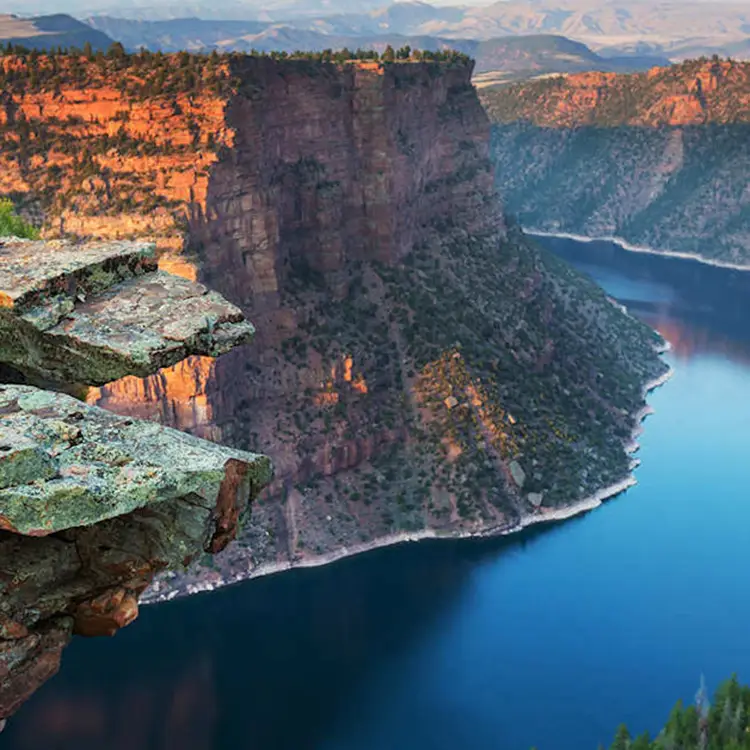
Some places surprise you. Others stay with you long after the tires cool and the engine goes quiet. Flaming Gorge National Recreation Area is firmly in the second category.
We visited Flaming Gorge expecting pretty scenery. What we found instead was a vast, dramatic landscape that felt almost untouched—towering canyon walls glowing red and gold, deep blue water stretching for miles, and scenic highways that invite you to slow down and look closer. If you’re building a travel bucket list and wondering whether Flaming Gorge, Utah deserves a spot, the answer is simple: absolutely yes.
From the moment you crest the overlook at Dowd Mountain or step onto the rim at the Red Canyon Visitor Center, Flaming Gorge announces itself as one of the most underrated scenic destinations in the American West.

What Makes Flaming Gorge Utah So Special?
Flaming Gorge sits along the Utah–Wyoming border and spans more than 200,000 acres of protected land. At its heart lies the Flaming Gorge Reservoir, a 91-mile-long ribbon of water carved into vividly layered sandstone cliffs. The contrast between forested mountains, high desert, and sheer canyon walls creates a visual experience that feels different at every turn.
Unlike some national parks that feel crowded and rushed, Flaming Gorge rewards curiosity and patience. You can pull over often, explore backroads, and still feel like you’ve discovered something personal.

Scenic Highways That Steal the Show
Two roads define the Flaming Gorge experience: Highway 191 and Highway 44, officially designated the Flaming Gorge–Uintas National Scenic Byway.
As you drive north from Utah, roadside interpretive signs along Highway 191 explain the geology beneath your wheels. This stretch is often called the “Drive Through the Ages”, because the exposed rock layers represent hundreds of millions of years of Earth’s history. Dinosaur fossils have been found in nearby formations, and you truly feel like you’re traveling through time.
Highway 44 veers west and rides high above the reservoir, delivering sweeping views and easy access to overlooks, trailheads, and one of the most memorable stops in the region.
Red Canyon Visitor Center & Dowd Mountain Overlook
The Red Canyon Visitor Center is more than a quick restroom break—it’s where Flaming Gorge really clicks. From the overlook, the canyon drops away dramatically, revealing layers of crimson and cream rock sculpted by time. Early morning and late afternoon light turn the walls into a living painting.
Nearby, Dowd Mountain Overlook offers a quieter, equally powerful perspective. This is the kind of place where conversations stop, cameras come out, and you realize how small—and lucky—you are to be standing there.
Rock Springs: Your Gateway City
For travelers coming from the north or needing supplies, Rock Springs serves as the closest major city to Flaming Gorge. Surrounded by high desert scenery, Rock Springs blends Old West history with modern convenience. It’s a practical base camp with fuel, groceries, restaurants, and lodging, while still feeling close to wild country.
Beyond town, you’ll find volcanic monoliths, shifting sand dunes, and even opportunities to hunt for gemstones—details that add depth to any Flaming Gorge itinerary.

Sheep Creek & Spirit Lake Scenic Backways
If Flaming Gorge has a secret weapon, it’s the Sheep Creek and Spirit Lake Scenic Backways. These winding roads peel away from Highway 44 and dive into some of the most geologically dramatic terrain in the region.
The Sheep Creek Geologic Loop traces the visible edge of the Uinta Fault, where massive rock layers were thrust skyward. Sheer canyon walls, fractured stone, towering monoliths, and narrow creek corridors make this drive unforgettable. It’s common to spot Rocky Mountain bighorn sheep, mule deer, elk, and birds of prey right from the road.
Spirit Lake sits higher in the Uinta Mountains and feels alpine and serene. Flower-filled meadows, pine and aspen forests, and crisp mountain air make it one of the best places in Flaming Gorge country to spot moose. This is the kind of detour that turns a good trip into a great one.
Jones Hole Scenic Backway & Dinosaur Country
Another standout drive is the Jones Hole Scenic Backway, which drops into a remote section of Dinosaur National Monument. Diamond Mountain offers fishing reservoirs and hunting opportunities, while Jones Hole Creek winds through towering canyon walls.
The Jones Hole National Fish Hatchery is a worthwhile stop, and the hike along the creek reveals waterfalls, deep pools, and ancient Fremont rock art panels. This area feels wild and intimate, rewarding those willing to explore beyond the main roads.
Wildlife Encounters You’ll Remember
One of the joys of visiting Flaming Gorge is how alive it feels. Deer, elk, moose, foxes, coyotes, eagles, and hawks are commonly seen along highways and backways. Wildlife sightings aren’t staged or guaranteed—but they’re frequent enough to keep you scanning every ridgeline and meadow.

Are There Campgrounds Near Flaming Gorge?
Yes—and they range from full-service to wonderfully primitive. Popular options include Sheep Creek Bay Campground, Cedar Springs Campground, and Mustang Ridge Campground, all offering easy access to the reservoir or scenic drives. Higher elevations near Spirit Lake provide cooler summer temperatures and quieter nights.
If you’re seeking an unplugged experience, rustic cabins near Spirit Lake offer a rare chance to stay deep in the Uinta Mountains without giving up comfort entirely.
What Is There to Do at Flaming Gorge?
Flaming Gorge is a choose-your-own-adventure destination. Boating, fishing, hiking, scenic driving, wildlife watching, photography, and simply sitting quietly at an overlook all feel equally valid here. Anglers are especially drawn to the area for its renowned trout fisheries, while hikers and photographers find endless inspiration in the shifting light and terrain.
Where Should You Eat While Visiting Flaming Gorge?
Most meals will be in nearby towns like Rock Springs, Vernal, or Manila. Rock Springs offers a solid mix of casual diners and steakhouses perfect after a long day exploring. Packing a picnic, however, is highly recommended. Few lunches compete with one enjoyed at a canyon overlook or beside an alpine lake.
Practical Tips Before You Go
Cell service is limited in many areas, so download maps ahead of time. Fuel up before heading deep into the recreation area, and keep binoculars handy—you’ll use them. Entry to drive the roads is free, but stopping to use recreation areas may require a small Forest Service fee.
Final Thoughts
Flaming Gorge, Utah is not a place you rush through. It’s a destination that asks you to slow down, take the long way, and notice the layers—of rock, of history, of silence. From scenic highways and hidden backways to wildlife encounters and unforgettable overlooks, this is one of those rare places that still feels like a discovery.
If you’re building a bucket list filled with meaningful journeys instead of checkmarks, Flaming Gorge deserves a top-tier spot. Go now, before everyone else catches on.
Happy travels,
The Cooper Shortcut Camping Journey Trio
YOU MAY ALSO LIKE:
7 Reasons to Visit Rodanthe, NC


Leave a Reply