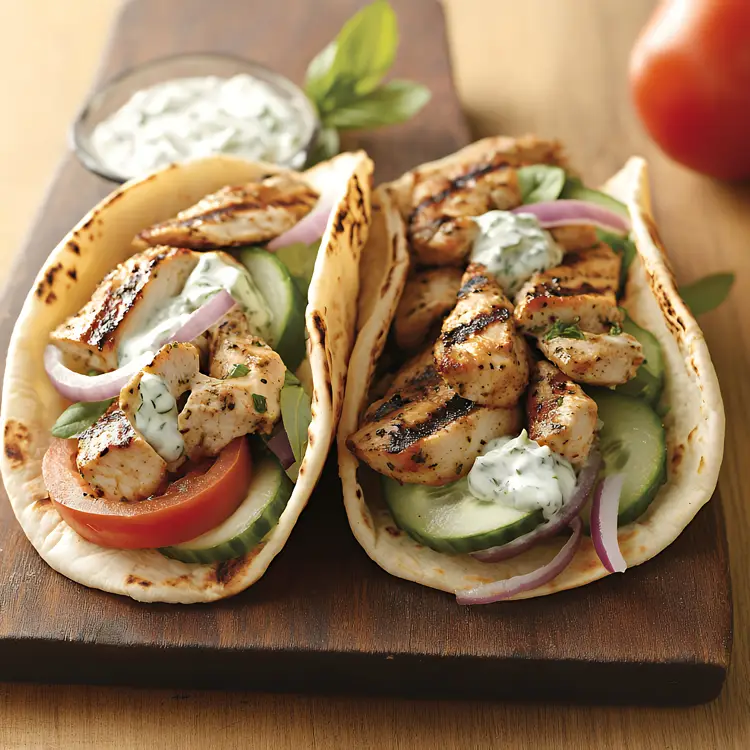
Gyros are one of those rare street foods that everyone seems to love. This Greek classic—pronounced “YEE-roh”—combines tender, spiced meat, crisp veggies, and creamy tzatziki sauce, all wrapped in warm pita bread. Whether you’ve had one at a Greek festival or are craving it at home, gyros deliver that perfect mix of comfort and flavor. Whether you’ve tried it at a local Greek festival or are looking to recreate the magic at home, gyros offer an irresistible flavor that keeps people coming back for more.
In this comprehensive guide, we’ll dive into the history of gyros, how they became a global street food phenomenon, and, most importantly, how you can make them at home using a Blackstone griddle. You’ll also find answers to frequently asked questions about gyros and some pro tips to ensure your homemade gyros taste as authentic as those from a Greek street vendor.

What is a Gyro?
A gyro is a Greek street food staple made from thinly sliced meat—usually lamb, pork, beef, or chicken—slow-roasted on a vertical spit. The meat is shaved off and tucked into a warm pita with tomatoes, onions, and that essential tzatziki sauce. The meat is sliced off the rotating spit and served in a pita with fresh toppings like tomatoes, onions, lettuce, and the essential tzatziki sauce. The word “gyro” comes from the Greek word “gheereezo,” which means “to turn,” a reference to the rotating cooking method.
Gyros are similar to other Mediterranean and Middle Eastern dishes like Turkish doner kebab and Arabic shawarma. While these dishes share similarities, each culture has added its own twist, making gyros a unique representation of Greek culinary tradition.
A Brief History of the Gyro
The story of gyros is a mix of Greek and Middle Eastern influence. Around the early 1900s, Greek and Armenian refugees from modern-day Turkey brought their cooking traditions to Greece. That’s when the modern gyro—meat cooked on a vertical spit—started to take shape.
The gyro’s connection to Greek history goes back even further—some historians believe that the ancient Greeks cooked skewered meat over an open flame, similar to the modern rotisserie method used for gyros. Soldiers in the army of Alexander the Great were known to skewer and roast meat over open fires using sword-like blades.
After World War II, gyros followed Greek immigrants to cities across Europe and the United States. By the 1960s, they were showing up on menus everywhere—from local street vendors to restaurants. By the 1960s, gyros became a popular street food in the United States and Europe, particularly in cities with large Greek communities. Today, gyros are a staple at Greek restaurants and festivals around the world.
Gyro vs. Shawarma vs. Doner Kebab: What’s the Difference?
Gyros, shawarma, and doner kebab share some DNA, but they each have their own twist:
- Gyro – Greek origin, made with pork or lamb, served with tzatziki.
- Shawarma – Middle Eastern, made with lamb, chicken, or beef, usually paired with garlic sauce or tahini.
- Doner Kebab – Turkish, often made with lamb or beef, served with yogurt or spicy red pepper sauce.
Of course, gyros are one of the most popular Greek foods and what I make most often with my Greek chicken recipe, so I thought it was past time that I bring you this fabulous Greek chicken gyro recipe. It is every bit as delicious as your favorite Greek restaurant – and then some. Why you’ll love this chicken gyro recipe:
- Easy – Marinate the chicken, whip up the tzatziki, and you’re set.
- Make ahead – Prep everything in advance, so all you have to do is cook the chicken.
- Healthy – Packed with lean protein and fresh veggies.
- Family-friendly – Let everyone build their own gyro just how they like it.
- Versatile – Use the ingredients in wraps, salads, or bowls.
How to Make Gyros on a Blackstone Griddle
Gyros at the campground? Absolutely. A Blackstone griddle makes it easy to recreate that crispy, flavorful texture you’d expect from a street vendor. This recipe includes both pork and chicken options, so you can customize it to your taste.
Ingredients
For the Gyro Meat:
- 2 pork tenderloins or 4 large chicken breasts
- 1 white onion (½ grated, ½ finely diced)
- 4 cloves garlic, minced
- 1 tablespoon dried marjoram
- 1 tablespoon dried, ground rosemary
- 2 teaspoons kosher salt
- 2 tablespoons extra-virgin olive oil
- ½ teaspoon ground black pepper
- ½ cup white wine (divided)
- 2 tablespoons unsalted butter
- 2 large tomatoes, halved then sliced
- Tzatziki sauce (store-bought or homemade)
For the Tzatziki Sauce:
- 2 cups Greek yogurt
- 2 cucumbers, peeled and seeded
- 1 clove garlic, minced
- 2 tablespoons white wine vinegar
- 1 bunch dill, finely chopped (or 3 teaspoons dry dill)
- 3 tablespoons olive oil
- Salt and pepper to taste
For Serving:
- 8 pitas, or flatbreads
- 1 small romaine heart , chopped
- 1 cup cherry tomatoes , halved
- 1/2 of a red onion , thinly sliced
- 1/2 of a English cucumber , thinly sliced
- crumbled feta cheese , optional
Instructions
- Prepare the Marinade:
- In a large mixing bowl, whisk together shredded onion, garlic, marjoram, rosemary, salt, olive oil, black pepper, and ¼ cup white wine.
- If using pork, trim any white membrane from the tenderloins and slice into ¼-inch pieces. If using chicken, trim excess fat and slice into ¼-inch pieces.
Mix the marinade and coat the meat well. Let it sit in the fridge for at least 12 hours (or overnight) so the flavors really sink in.
- Cook the Gyro Meat:
- Preheat your Blackstone griddle to medium-high heat.
- Add the marinated meat to the griddle and spread it out evenly.
- Cook for about 5 minutes on one side until browned.
- Flip the meat, add the butter and remaining ¼ cup white wine, and stir to coat.
- Cook for another 5 minutes until the meat is browned and fully cooked.
- Assemble the Gyros:
- Warm the pita bread on the griddle.
- Fill each pita with sliced meat, tomatoes, diced onions, and tzatziki sauce.
- Wrap and serve immediately.
How to Make Tzatziki Sauce
- Grate the cucumbers, then squeeze out the extra liquid so the sauce isn’t watery.
- In a bowl, combine the cucumber, yogurt, garlic, white wine vinegar, and olive oil.
- Mix well and season with salt, pepper, and dill.
- Refrigerate for at least an hour before serving.
How to serve Chicken Gyros
Gyros are filling enough on their own, but they’re even better with:
- Greek lemon rice
- Greek pasta salad
- Roasted vegetables or seasoned potatoes
- Hummus and pita
Optional add-ins for this Chicken Gyro Recipe
- Bell peppers – Any color works—red, yellow, or orange.
- Olives – Kalamata olives add a salty, fruity kick.
- Chickpeas – Roast them with olive oil, garlic, and a pinch of cayenne for crunch.
- Avocado – Because creamy avocado makes everything better.
Frequently Asked Questions About Gyros
Q: What is the best meat for gyros?
A: Traditionally, it’s lamb or pork, but chicken and beef work just as well.
Q: Can I make gyros without a vertical rotisserie?
A: Yes! A flat-top griddle (like a Blackstone) or a cast-iron skillet works perfectly.
Q: What’s the difference between tzatziki sauce and yogurt sauce?
A: Tzatziki is a yogurt-based sauce with cucumbers, garlic, and dill, while yogurt sauce might just be plain yogurt or a mix of yogurt with garlic and herbs.
Q: How long does tzatziki sauce last?
A: Stored in an airtight container in the fridge, tzatziki sauce lasts up to 5 days.
Q: Can I freeze gyro meat?
A: Yep! It’ll keep for up to 3 months in the freezer. Just reheat it in a skillet for the best texture.
Conclusion
Gyros aren’t just street food—they’re a bite of Greek history. With juicy, spiced meat, fresh toppings, and creamy tzatziki, they’re the kind of meal that sticks with you. Now that you know how to make them at home, you can enjoy that classic flavor anytime. With its savory meat, crisp vegetables, and creamy tzatziki, the gyro offers a flavor experience that’s hard to beat. Now that you know how to make gyros at home, you can enjoy this Greek classic any time you want. Fire up the griddle, gather your ingredients, and take a culinary trip to Greece from your own kitchen!
YOU MAY ALSO LIKE:
Irresistible Breakfast Fried Rice
Master Your Blackstone Griddle Scrambled Eggs
The Sweet Story of Oatmeal Scotchies



Leave a Reply