Beat the Freeze: Essential RV Winter Travel Checklist
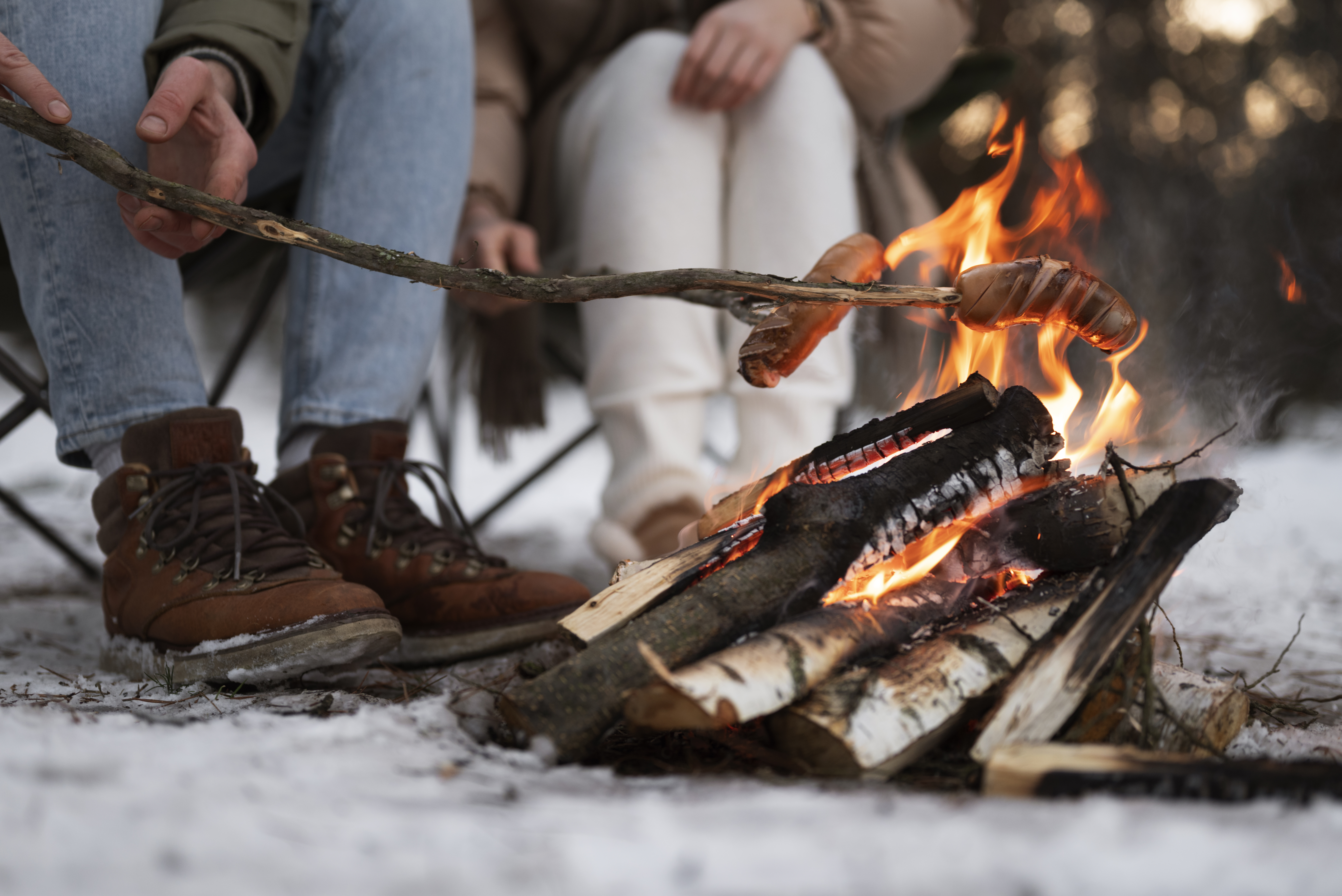
Winter RV camping can be one of the most rewarding ways to travel. Snow-covered forests, peaceful campgrounds, crisp morning air, and evenings spent beside a warm fire create memories that summer camping simply can’t duplicate.
The challenge isn’t deciding whether to travel—it’s making sure your RV is ready for freezing temperatures before you leave the driveway.
After more than 50 years of camping in everything from tents to our current fifth wheel, we’ve learned that winter camping isn’t difficult. It simply demands preparation. A few hours spent inspecting your RV before departure can save days of frustration when temperatures plunge below freezing.

The Morning That Changed Our Winter Camping Routine
Years ago, we pulled into a beautiful mountain campground just before Thanksgiving. The weather forecast called for cold temperatures, but nothing we hadn’t experienced before. We settled in, enjoyed dinner, and watched snowflakes drift quietly through the campground.
Everything seemed perfect.
Sometime during the night the temperature dropped far lower than expected. When we woke the next morning, we discovered our water lines had frozen solid.
No running water.
No coffee.
No morning showers.
The excitement of our trip quickly turned into troubleshooting frozen plumbing.
Thankfully, no permanent damage occurred, but that experience taught us a lesson we’ve never forgotten. Since then, every winter trip begins with the same maintenance checklist.
Today, it’s simply part of our departure routine.

Winter RV Maintenance Checklist
- Protect Your Fresh Water System
Frozen plumbing is one of the most expensive problems an RVer can face.
Before heading into freezing temperatures:
- Drain any unused exterior water lines.
- Verify your heated water hose is functioning properly.
- Insulate exposed plumbing.
- Protect vulnerable fittings with foam insulation.
- Keep your wet bay warm if your RV isn’t equipped with heated tanks.
If you’ll be camping in sustained freezing weather, many experienced RVers disconnect their water hose overnight and rely on their onboard fresh water tank until temperatures rise.
That simple habit can prevent an expensive repair.
- Verify Your Furnace Is Ready
Your furnace becomes the heart of your RV during winter travel.
Before leaving home:
- Replace or clean air intake screens.
- Test the furnace through several heating cycles.
- Listen for unusual noises.
- Confirm warm air reaches every vent.
- Inspect propane connections for leaks.
We also carry a small electric space heater whenever full hookups are available. It helps reduce propane usage while keeping the interior comfortable.
- Check Propane Before Every Trip
Cold weather dramatically increases propane consumption.
Instead of guessing, begin every winter trip with full tanks.
If you’re traveling into remote areas:
- Know where propane refill stations are located.
- Carry an extra portable cylinder if your setup allows.
- Monitor propane levels daily during extended cold spells.
Running out of propane isn’t simply uncomfortable—it can allow plumbing systems to freeze quickly.
- Test House and Chassis Batteries
Battery performance drops significantly as temperatures fall.
Before departure:
- Fully charge all batteries.
- Clean corrosion from terminals.
- Tighten cable connections.
- Check electrolyte levels on serviceable batteries.
- Verify your converter or inverter charger is operating correctly.
Healthy batteries are especially important if winter storms interrupt campground power.

- Inspect Roof Seals and Exterior Caulking
Winter moisture has a way of finding even the smallest opening.
Take time to inspect:
- Roof seams
- Skylights
- Roof vents
- Window seals
- Clearance lights
- Exterior trim
Repairing a small crack before winter arrives is much easier than repairing water damage next spring.
- Monitor Tire Pressure Frequently
Many RV owners overlook this simple maintenance item.
For every 10-degree temperature drop, tire pressure decreases approximately one PSI.
Always check tire pressure before driving—while tires are cold—and inflate them according to your RV manufacturer’s recommendations.
Proper inflation improves:
- Handling
- Braking
- Tire life
- Fuel economy
- Safety on icy roads
- Pack a Dedicated Winter Emergency Kit
Winter roads can change quickly.
Our cold-weather kit always includes:
- Snow shovel
- Ice scraper
- Traction boards
- Tire chains where appropriate
- Flashlights
- Extra batteries
- Thermal blankets
- Hand warmers
- First-aid kit
- Portable air compressor
- Portable jump starter
- Drinking water
- Non-perishable food
- Extra gloves and hats
Thankfully, we’ve rarely needed most of it—but we’re always glad it’s there.
- Keep Slide-Outs Free of Snow and Ice
Snow may look harmless until it melts inside your RV.
Before retracting slide-outs:
- Remove accumulated snow.
- Clear ice from slide toppers.
- Wipe moisture from seals.
- Inspect rubber gaskets for damage.
Applying an RV-approved seal conditioner helps keep rubber flexible throughout the winter months.
- Install RV Skirting for Extended Stays
If you’re staying in one location for several days or weeks, RV skirting becomes one of the best investments you can make.
Proper skirting helps:
- Reduce heat loss
- Protect holding tanks
- Shield plumbing
- Lower propane consumption
- Keep underbelly temperatures more stable
Combined with a small thermostatically controlled heater in the wet bay, skirting can make a remarkable difference during prolonged cold weather.
- Keep Moisture Under Control
Condensation is often the hidden challenge of winter RV camping.
Warm interior air meeting cold walls creates moisture that can eventually lead to mold or mildew.
Reduce condensation by:
- Running roof vent fans while cooking.
- Cracking a roof vent slightly.
- Using a small dehumidifier.
- Wiping excess moisture from windows each morning.
- Allowing airflow behind mattresses and furniture whenever possible.
A dry RV feels warmer and stays healthier.
Bonus Tip: Watch the Weather—Not Just the Forecast
Weather forecasts can change quickly in the mountains or along large lakes.
Before each travel day, check:
- Overnight low temperatures
- Wind chill
- Snow accumulation
- Road conditions
- High wind advisories
Sometimes the smartest decision is delaying departure until conditions improve.
One extra night in a campground is usually far less stressful than driving through freezing rain or heavy snow.
Why Winter RV Camping Is Worth the Effort
People often assume camping ends when the first snowfall arrives.
We see it differently.
Winter reveals a quieter side of camping. Campgrounds become peaceful. Wildlife is easier to spot. Snow softens the landscape, and clear winter skies often produce spectacular sunrises and brilliant night skies.
Preparation makes all the difference.
A little preventative maintenance allows you to focus on what matters most—enjoying the journey instead of repairing frozen plumbing in the middle of nowhere.
If you’re willing to prepare before the temperatures fall, winter camping can easily become one of your favorite seasons to travel.
Safe travels, stay warm, and enjoy every mile of your winter adventure.

Final Thoughts
Winter RV travel rewards those who prepare. Spending a few hours inspecting your RV before departure can prevent frozen pipes, dead batteries, and unexpected roadside problems. More importantly, it lets you relax and enjoy the quiet beauty that only winter camping offers.
Every season brings its own adventures, and winter is no exception. Whether you’re heading south to escape the snow or embracing it in the mountains, a well-maintained RV gives you the confidence to travel comfortably wherever the road leads.
Happy travels,
The Cooper Shortcut Camping Journey Trio 😊 PlusOne!
YOU MAY ALSO LIKE:
Exploring America’s Winter Wonders by RV
Best U.S. Winter Destinations for RV Enthusiasts
Embrace the Cold Tips for Winter RVing in Canada




Leave a Reply